Lot no. 391
2025
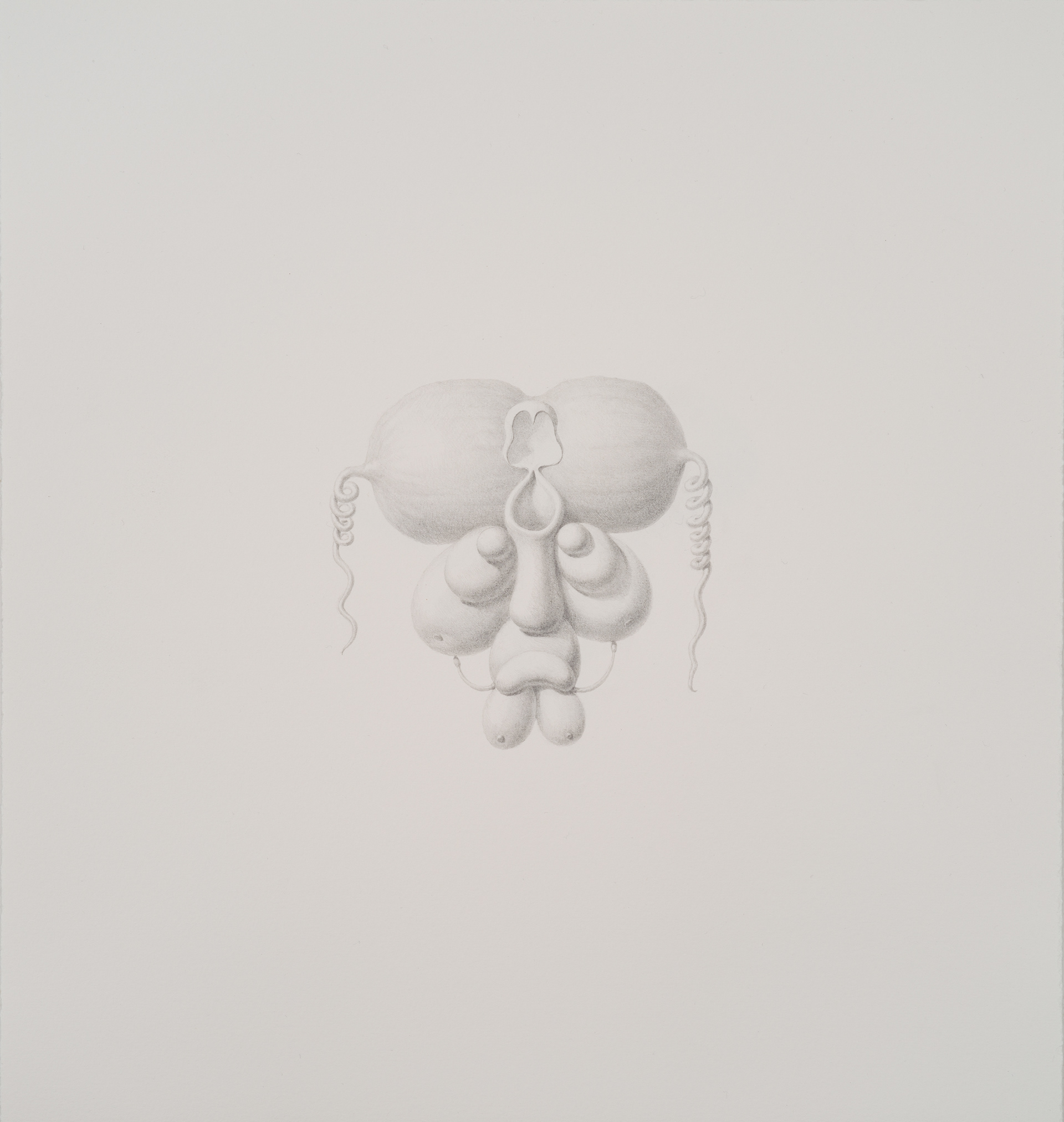
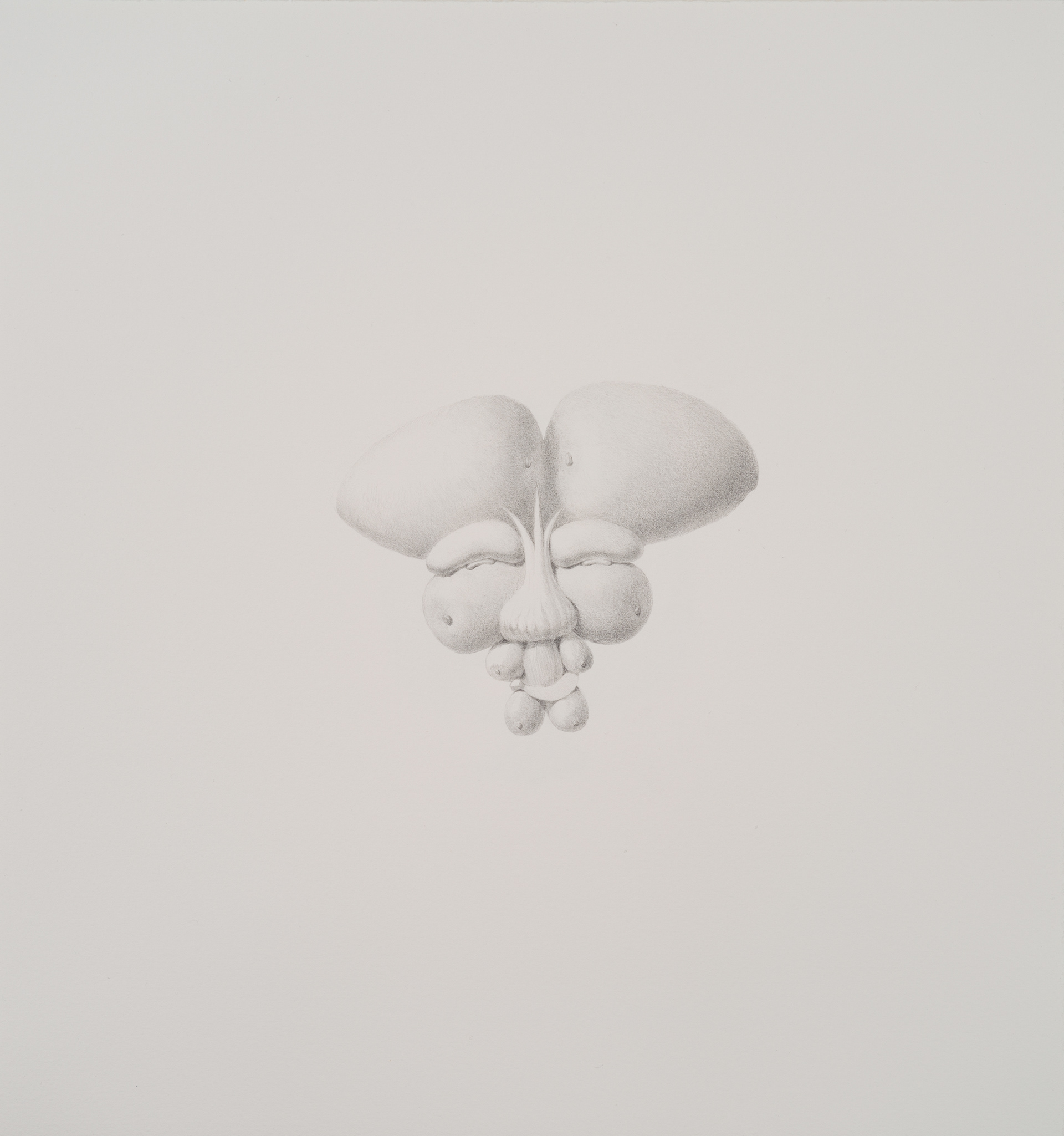
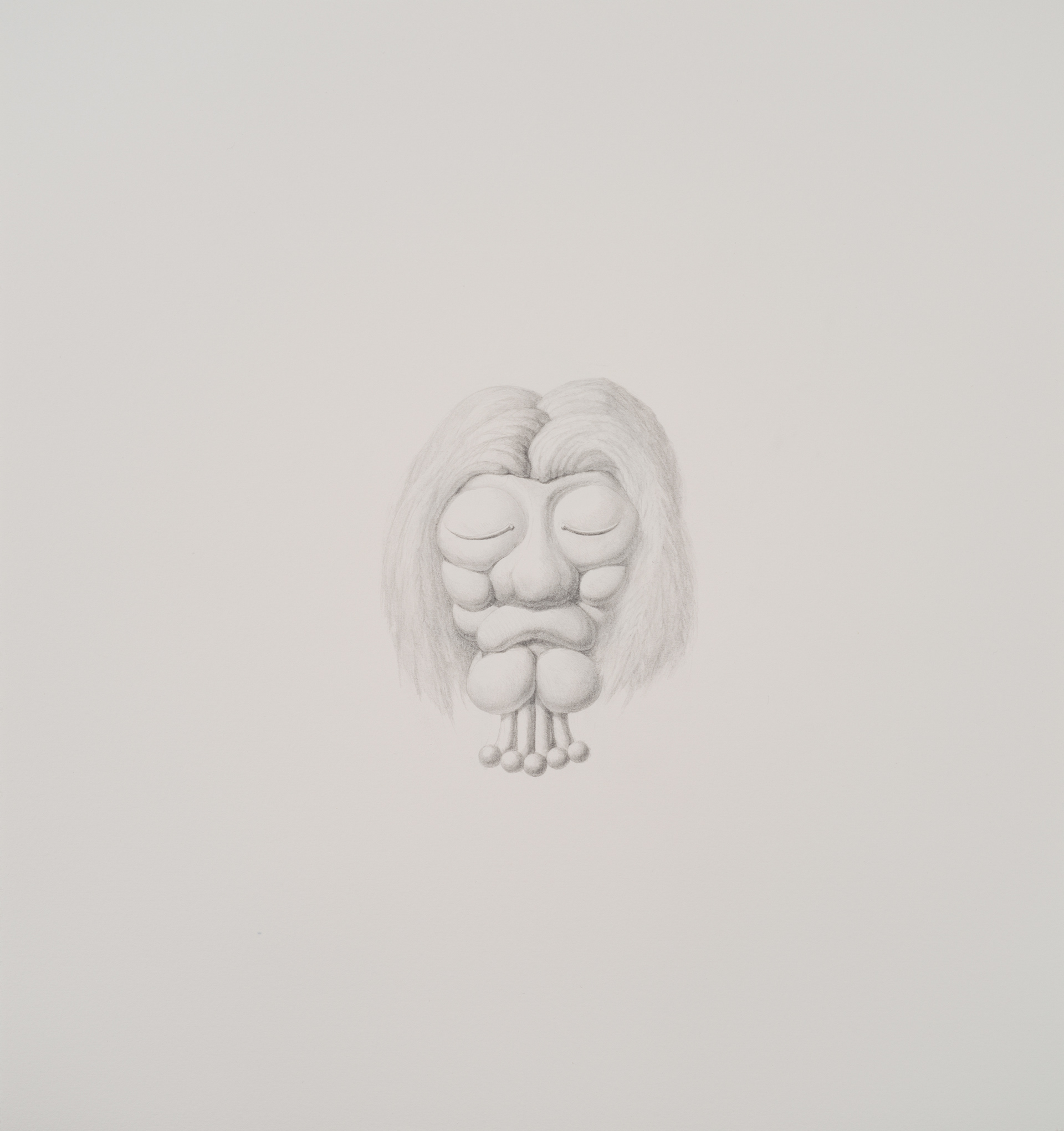
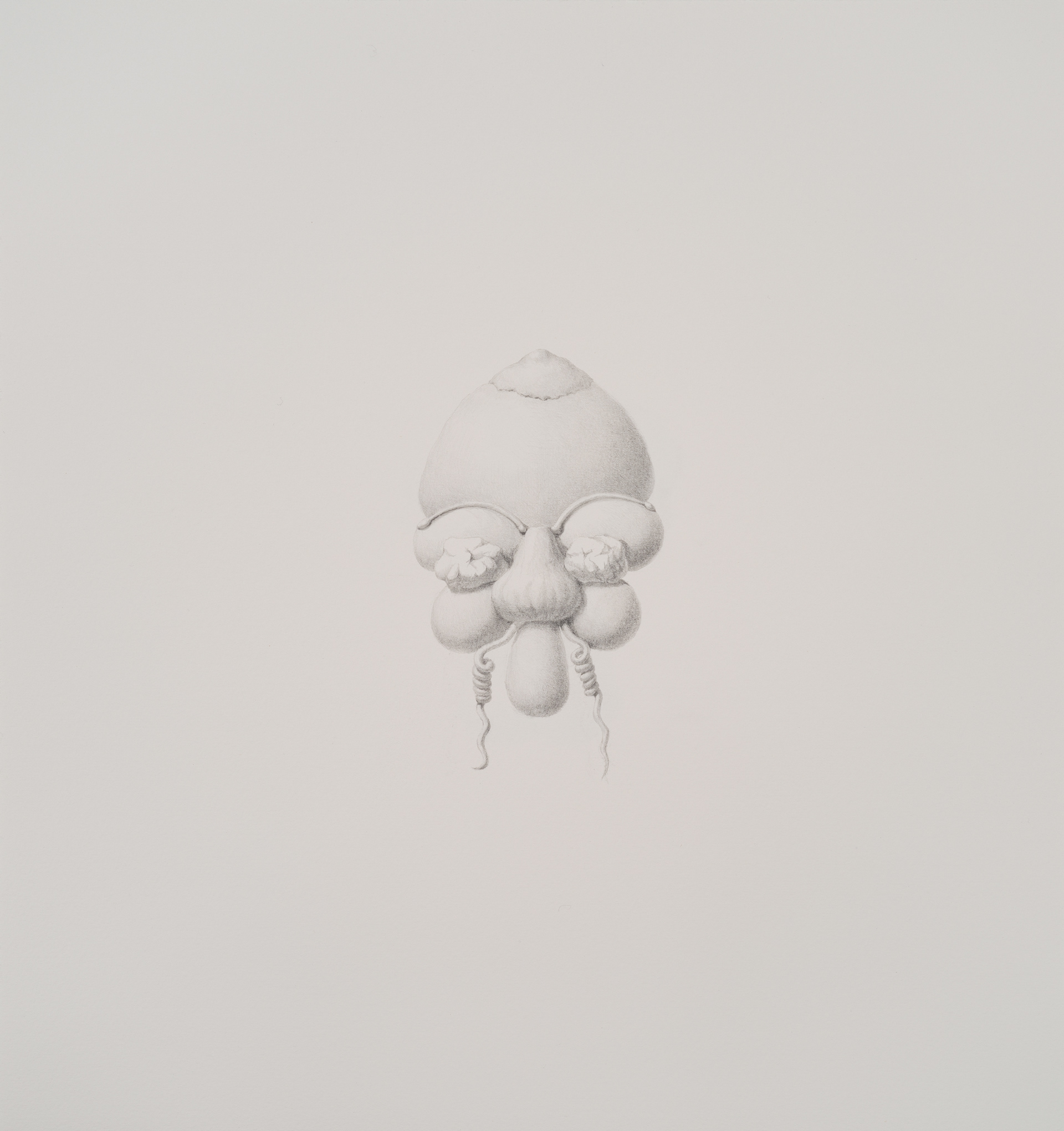
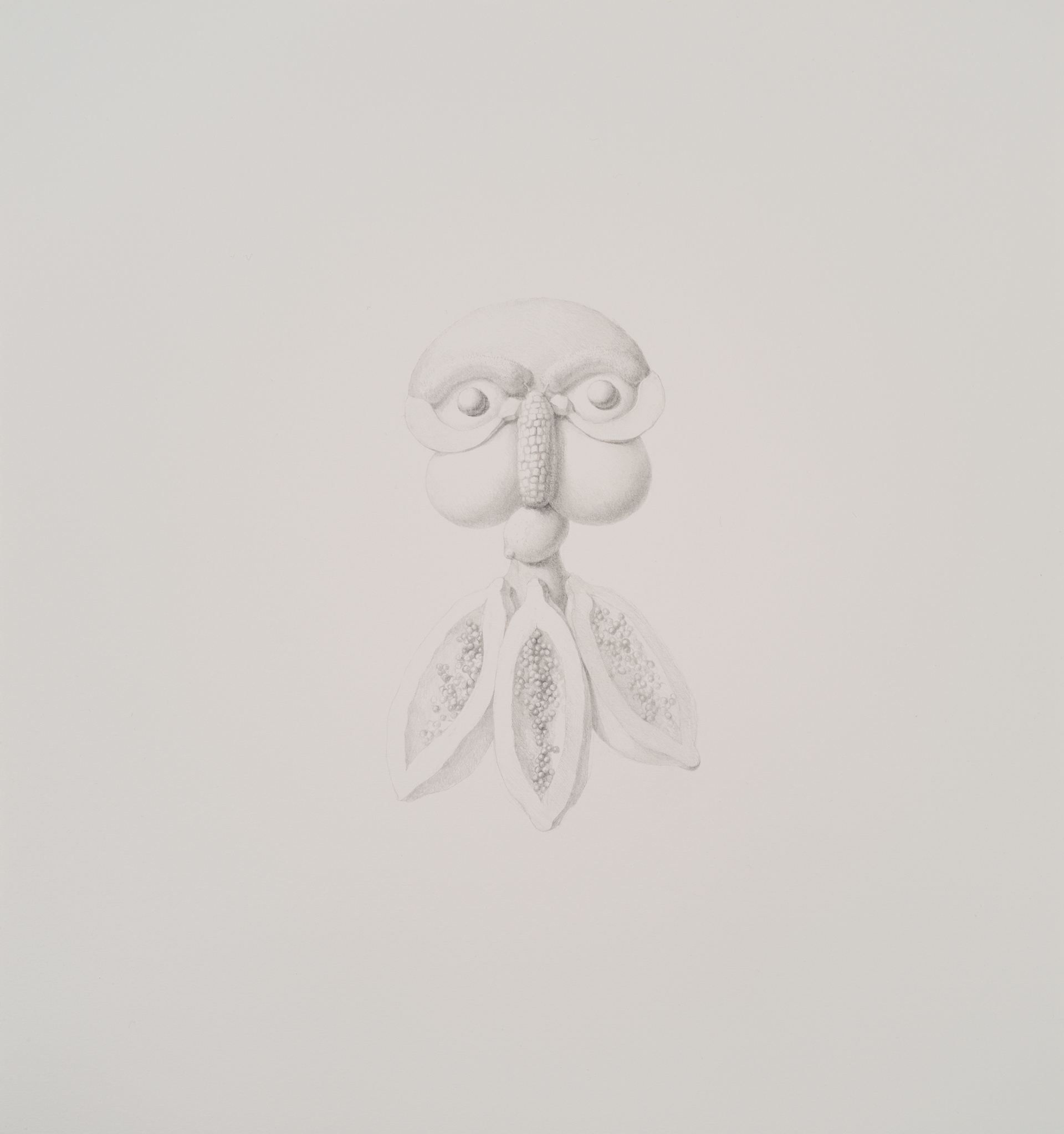
Graphite and watercolor on paper (each ca. 40 x 38 cm), shaped plinths, Dimension Variable
紙本素描 (每張約40x38cm)、造形台座,尺寸與數量依空間而定
Commissioned by Taichung Art Museum
臺中市立美術館委託製作
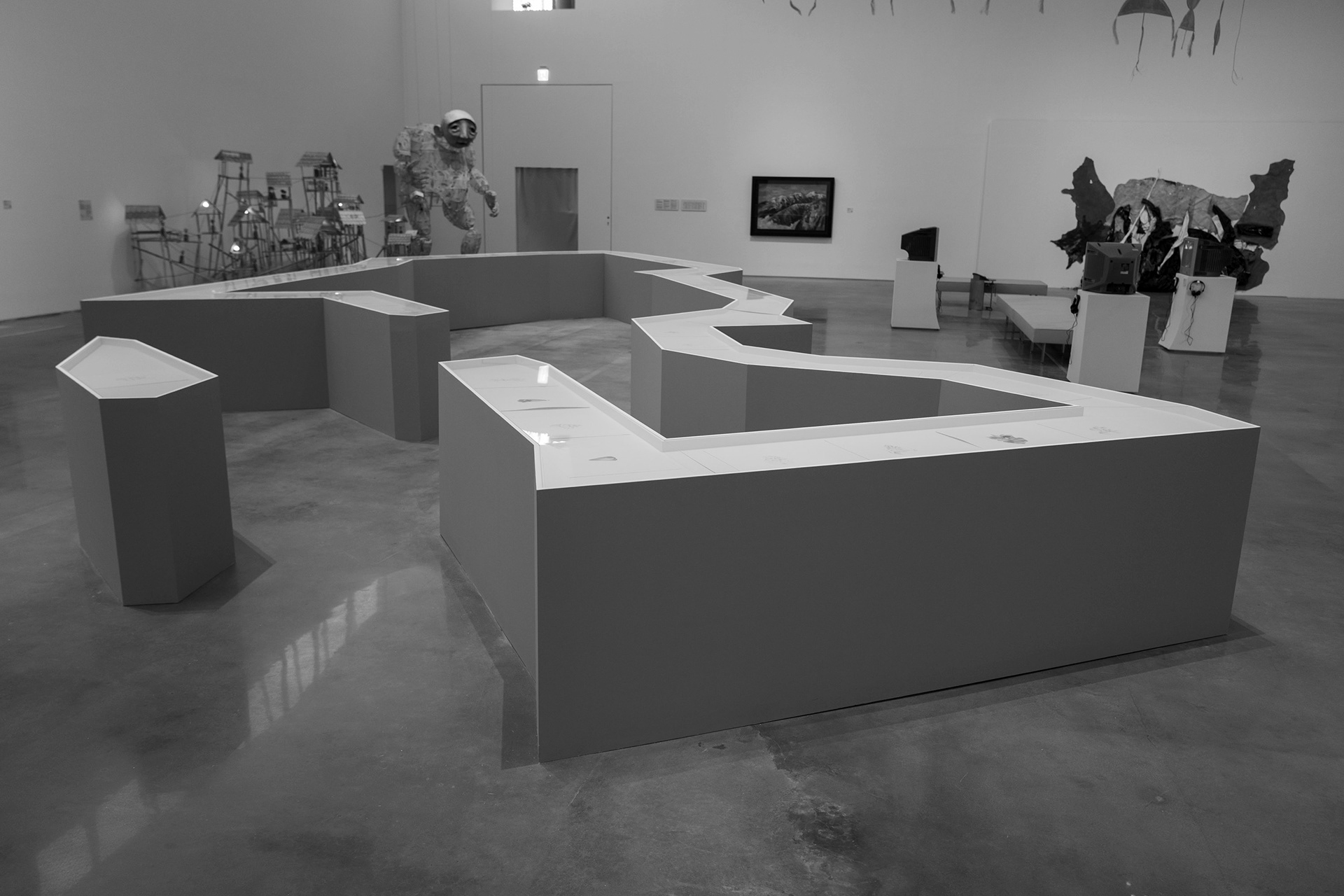
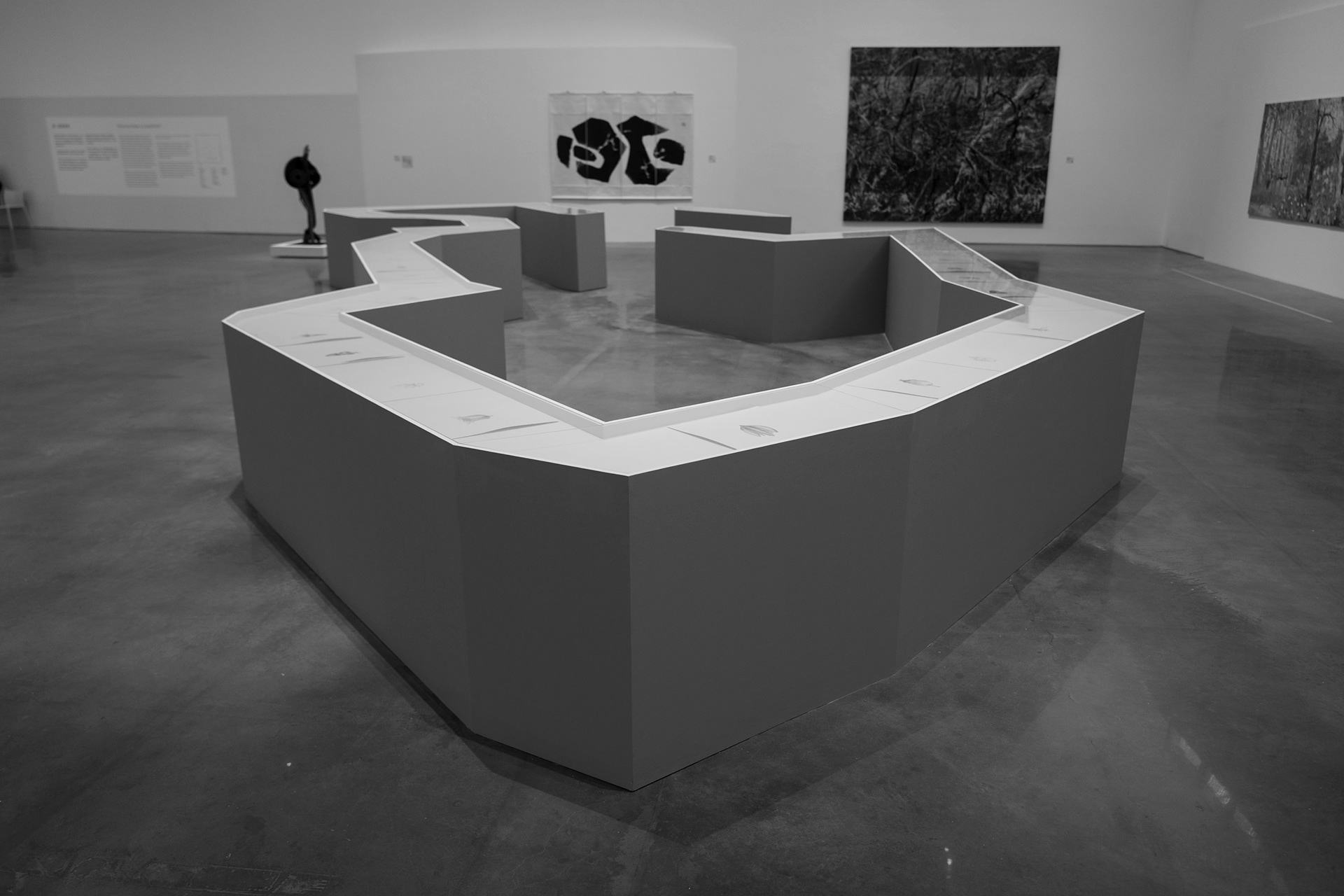
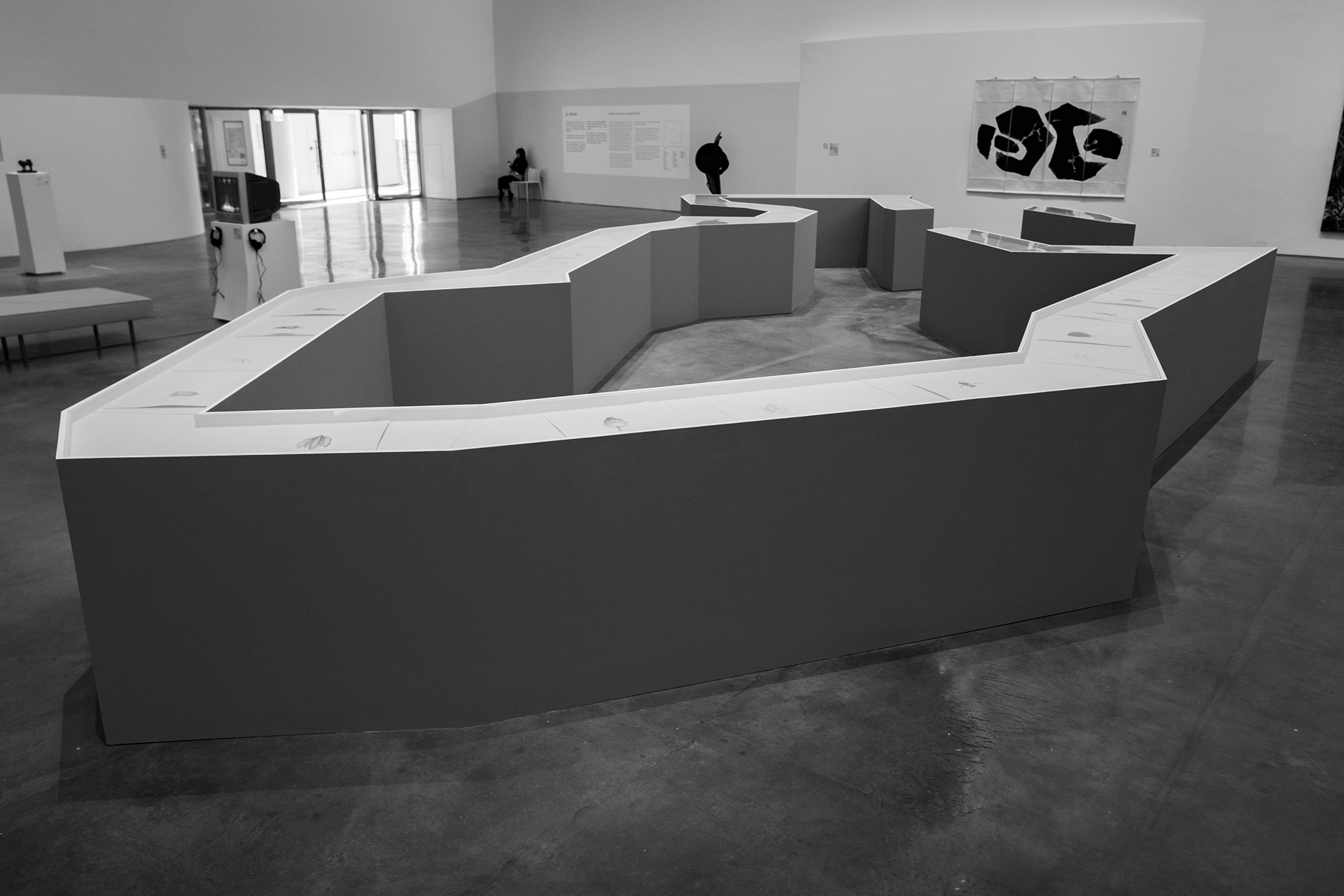
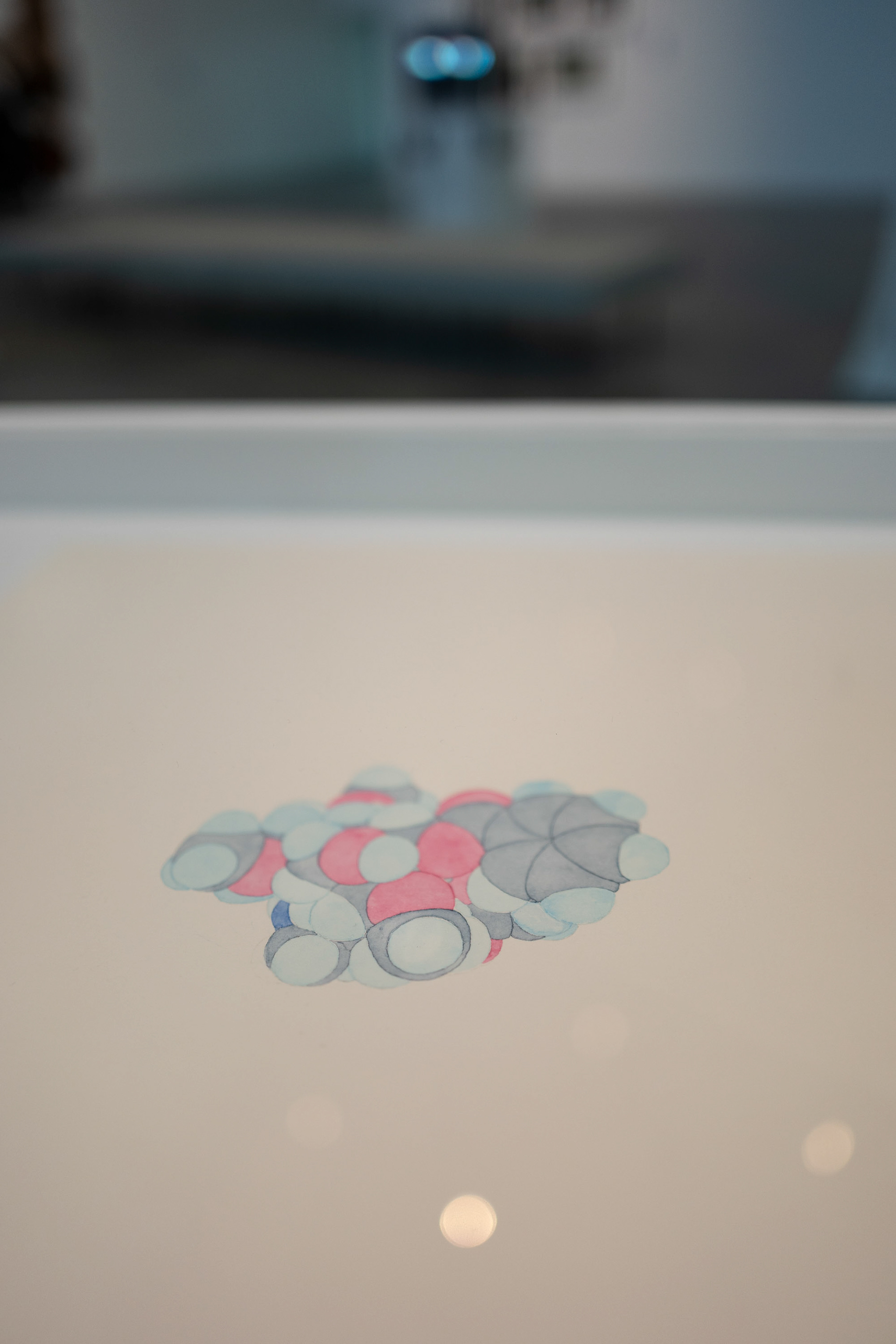
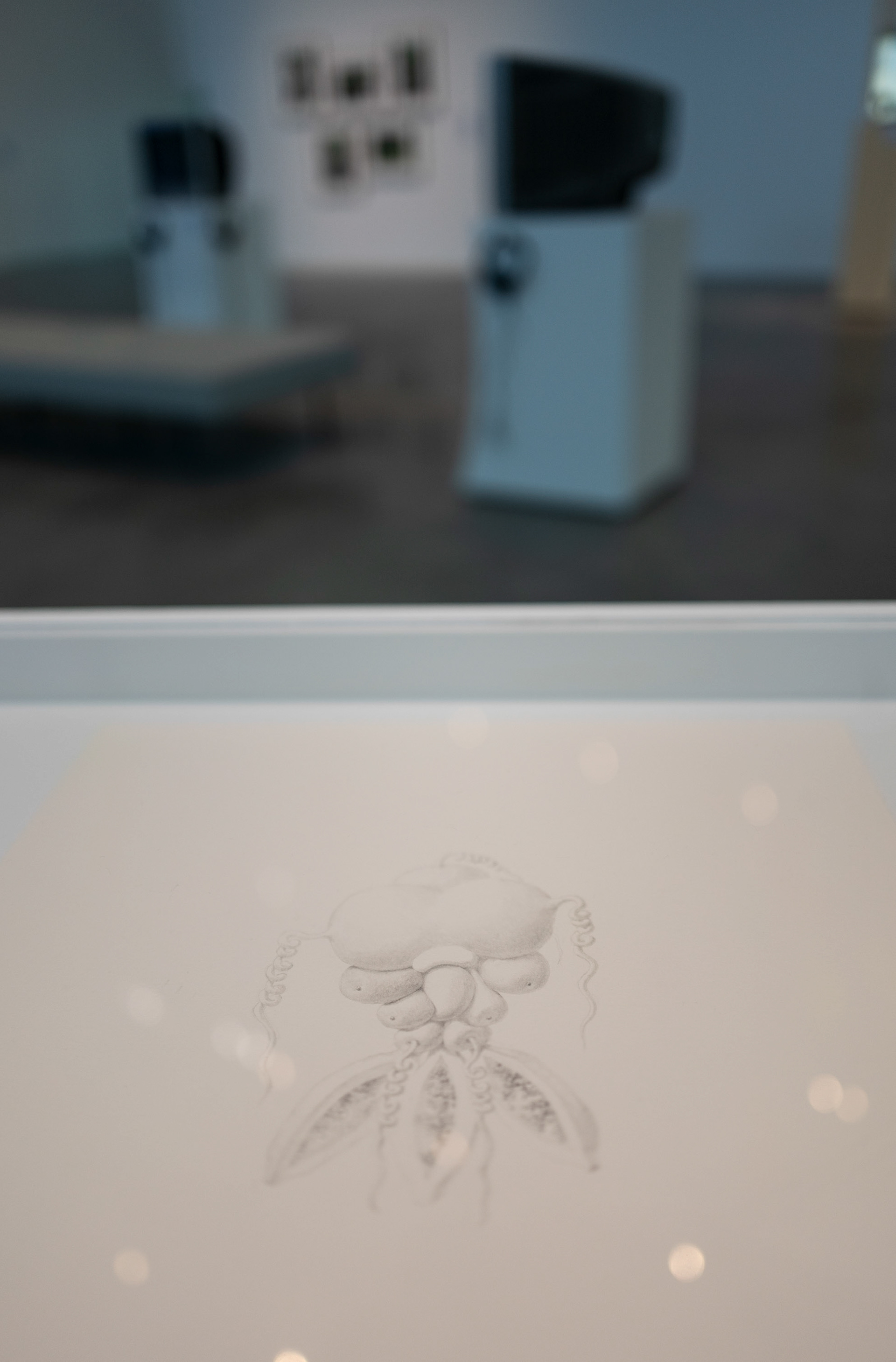
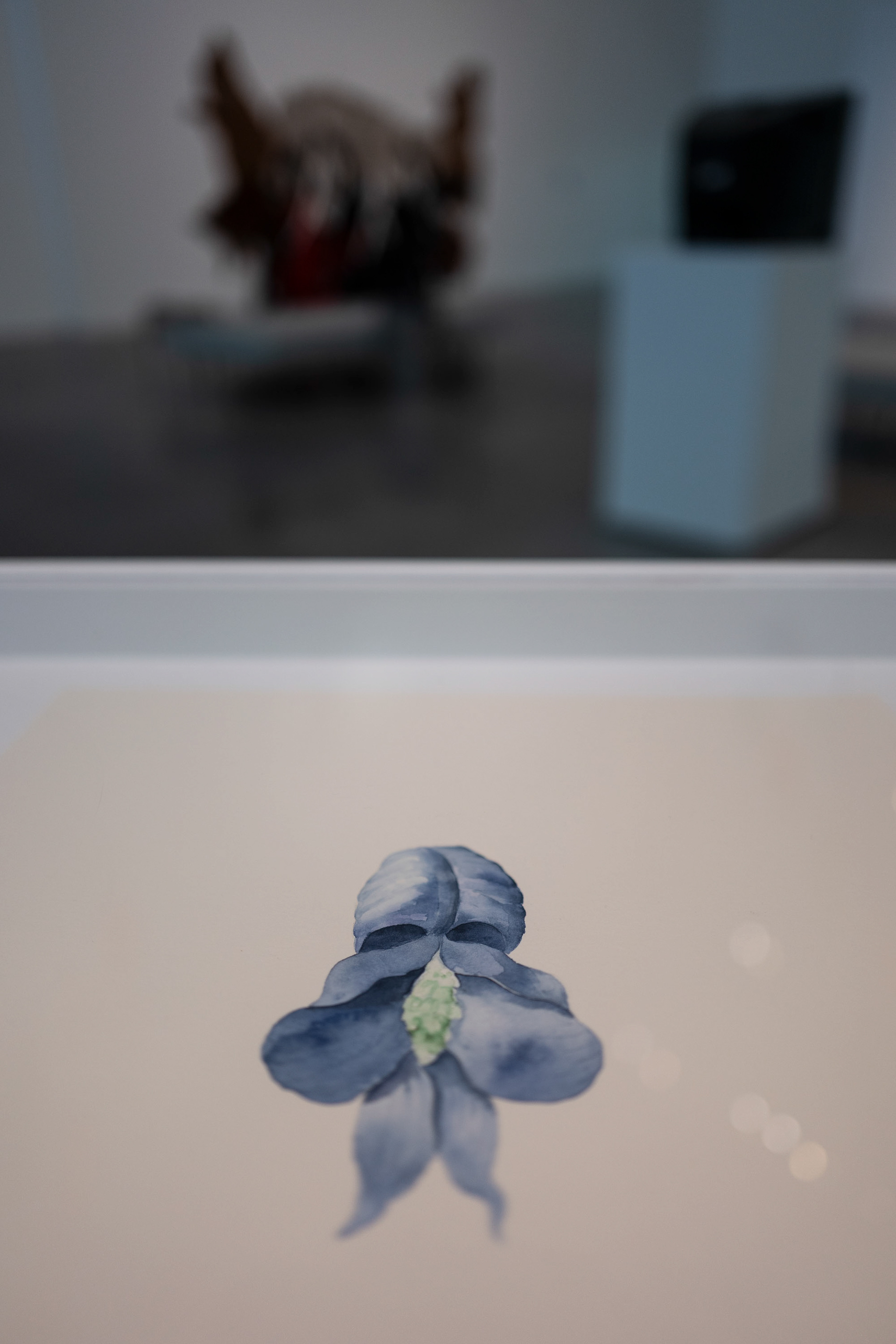
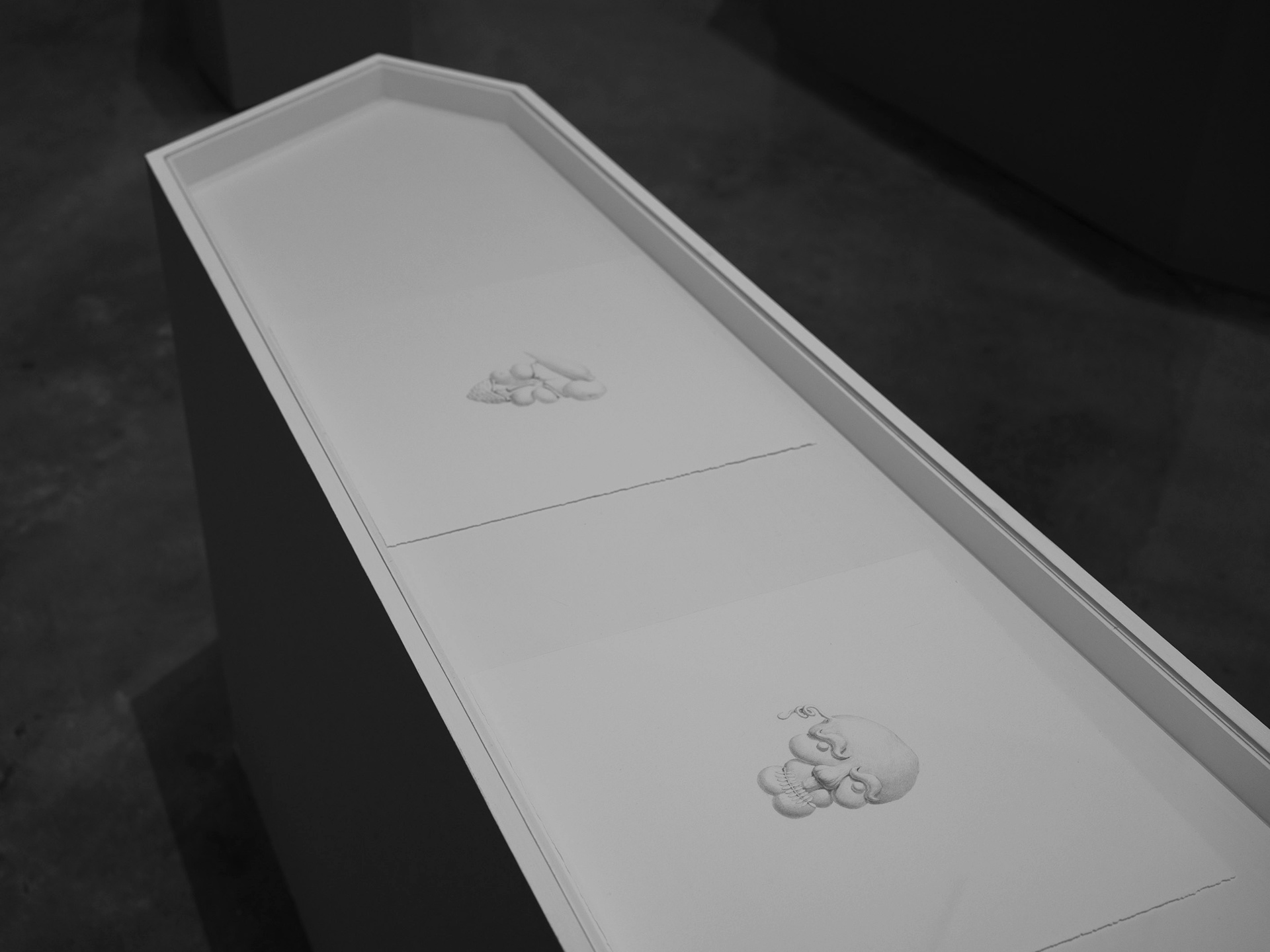
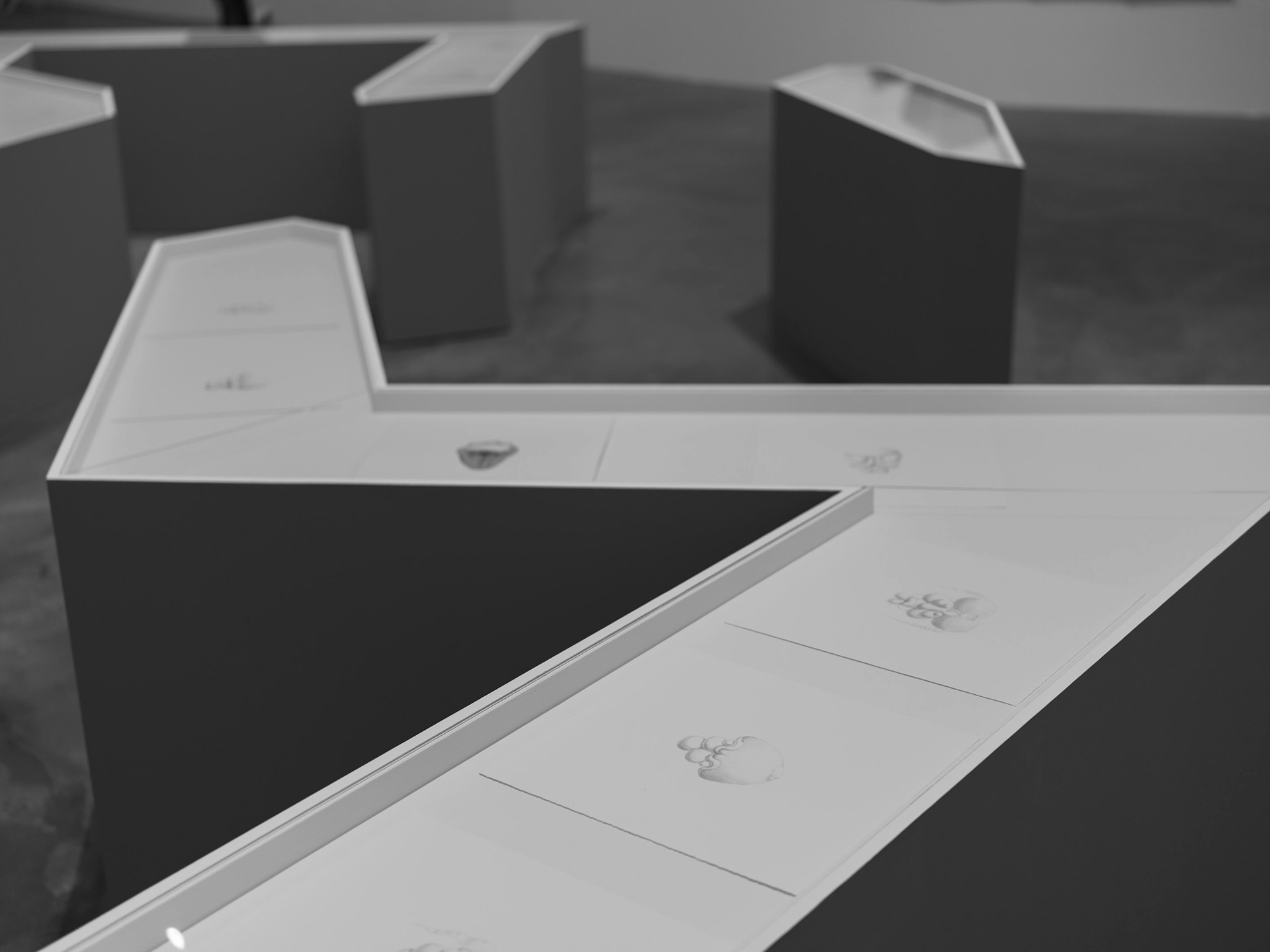
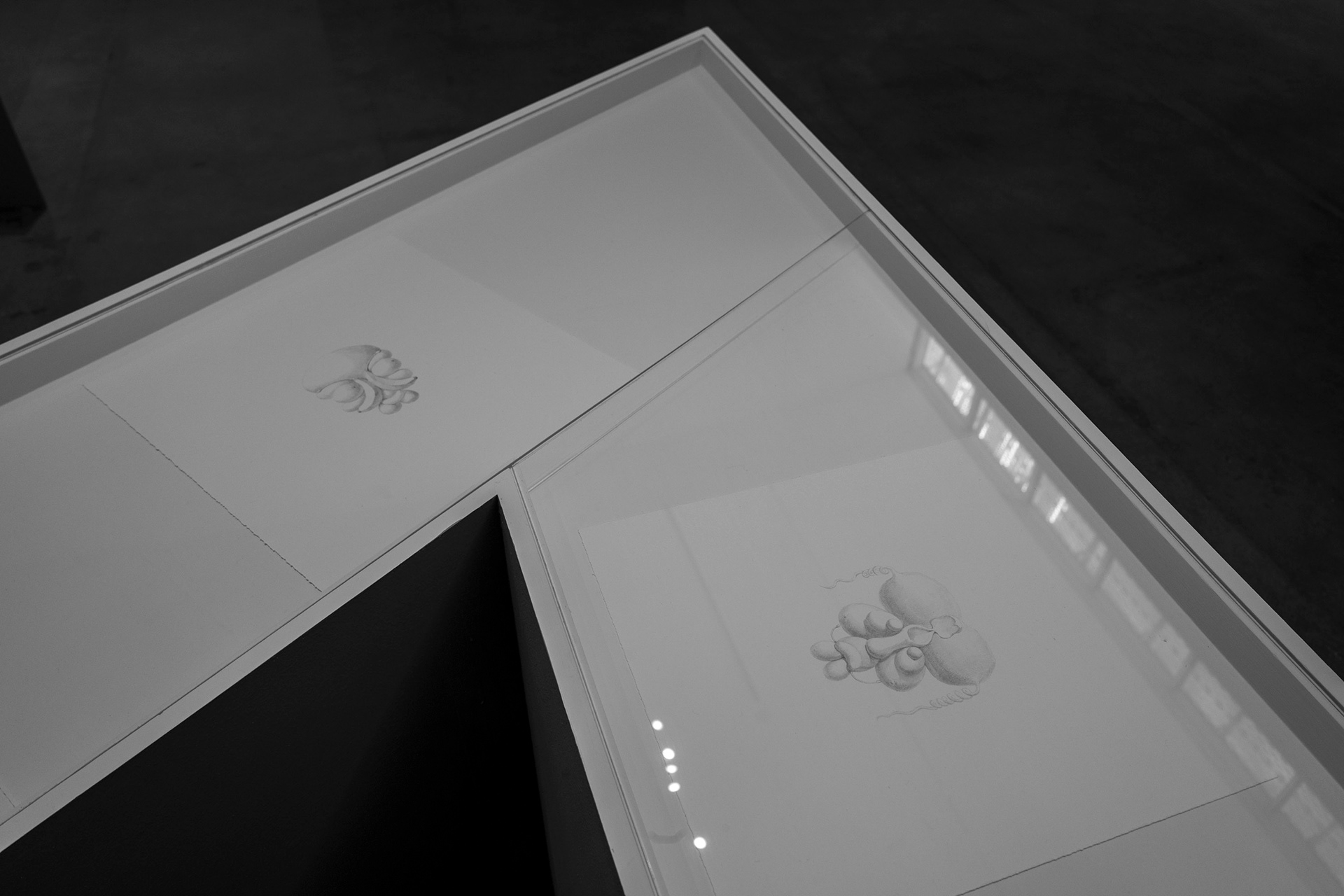
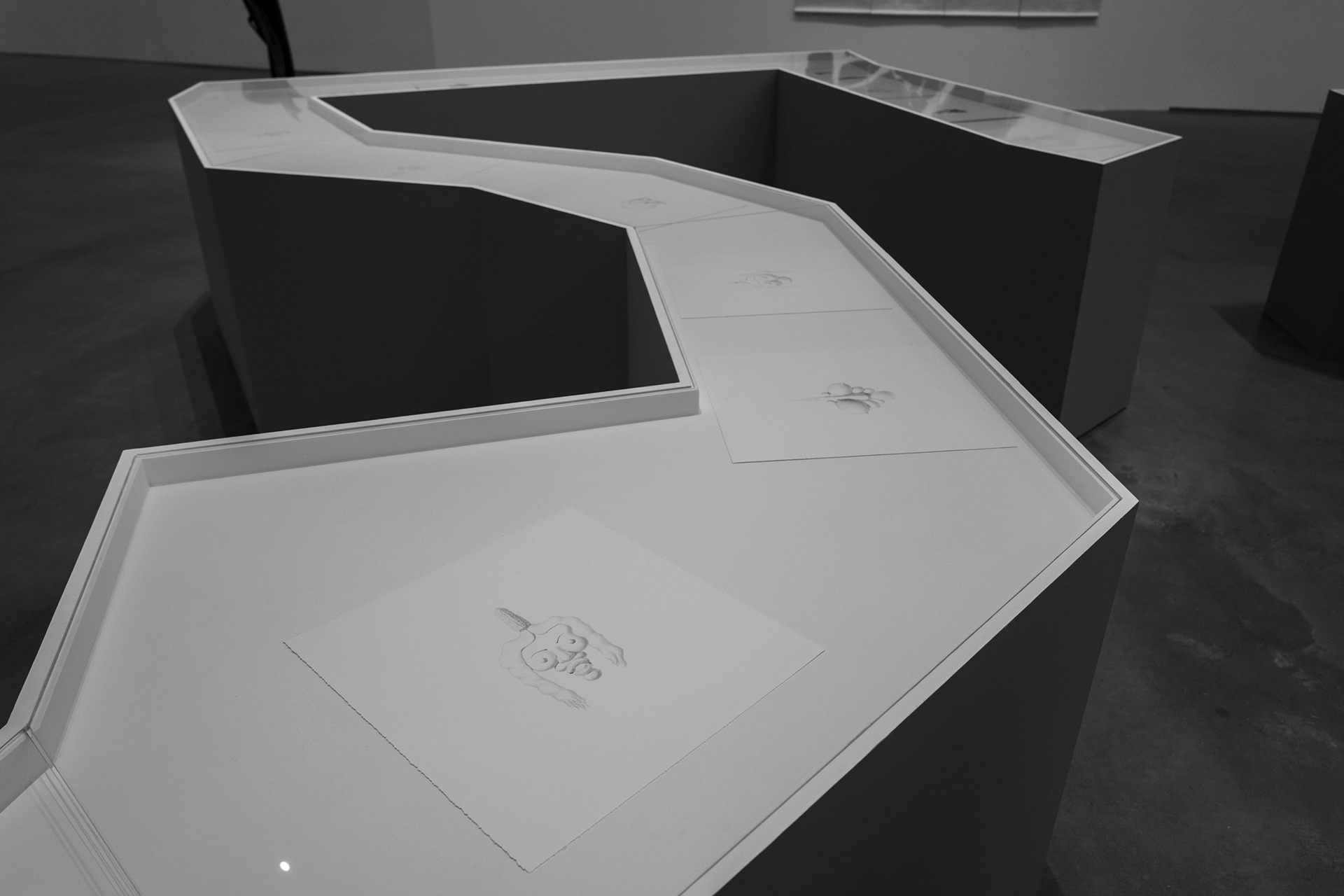
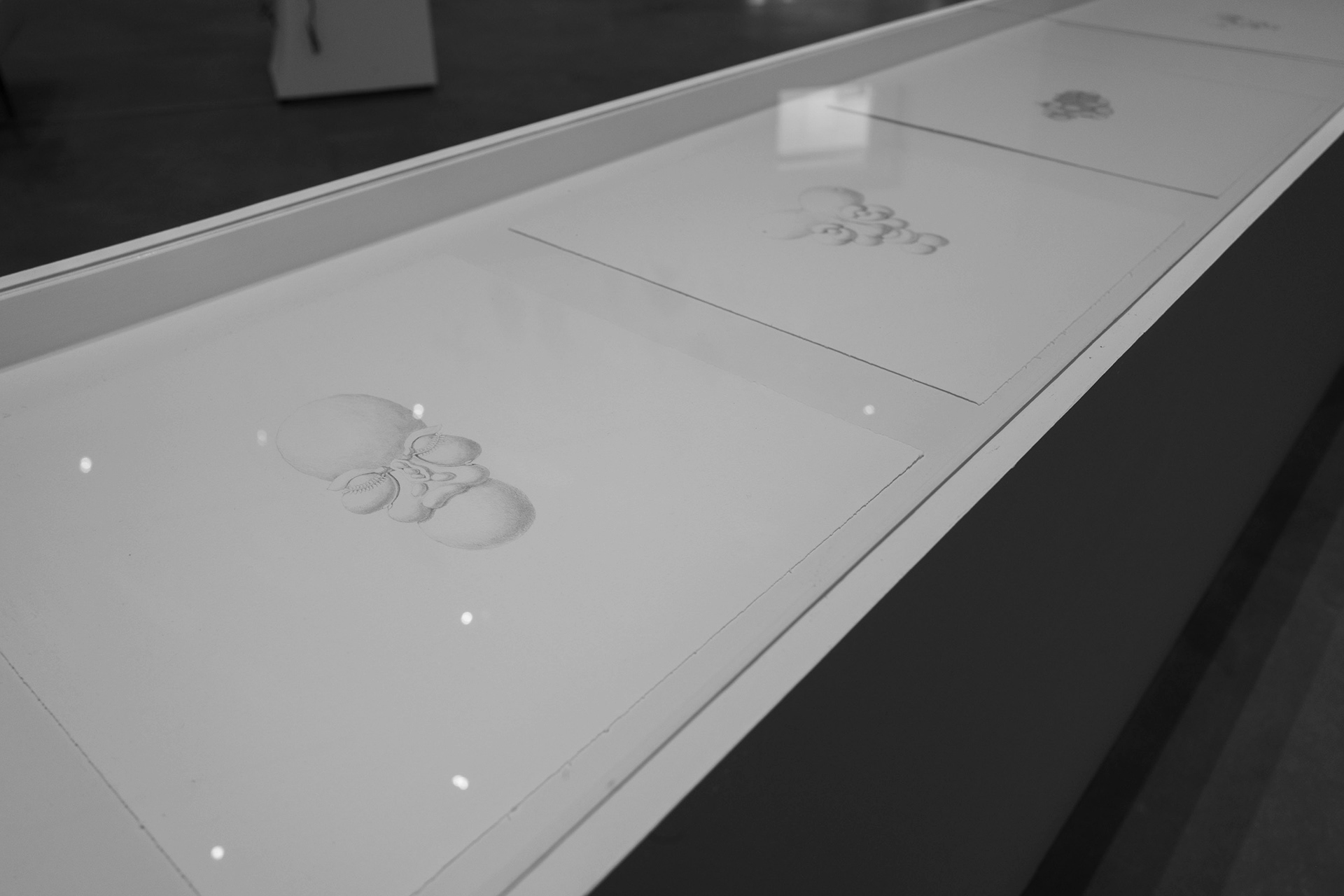
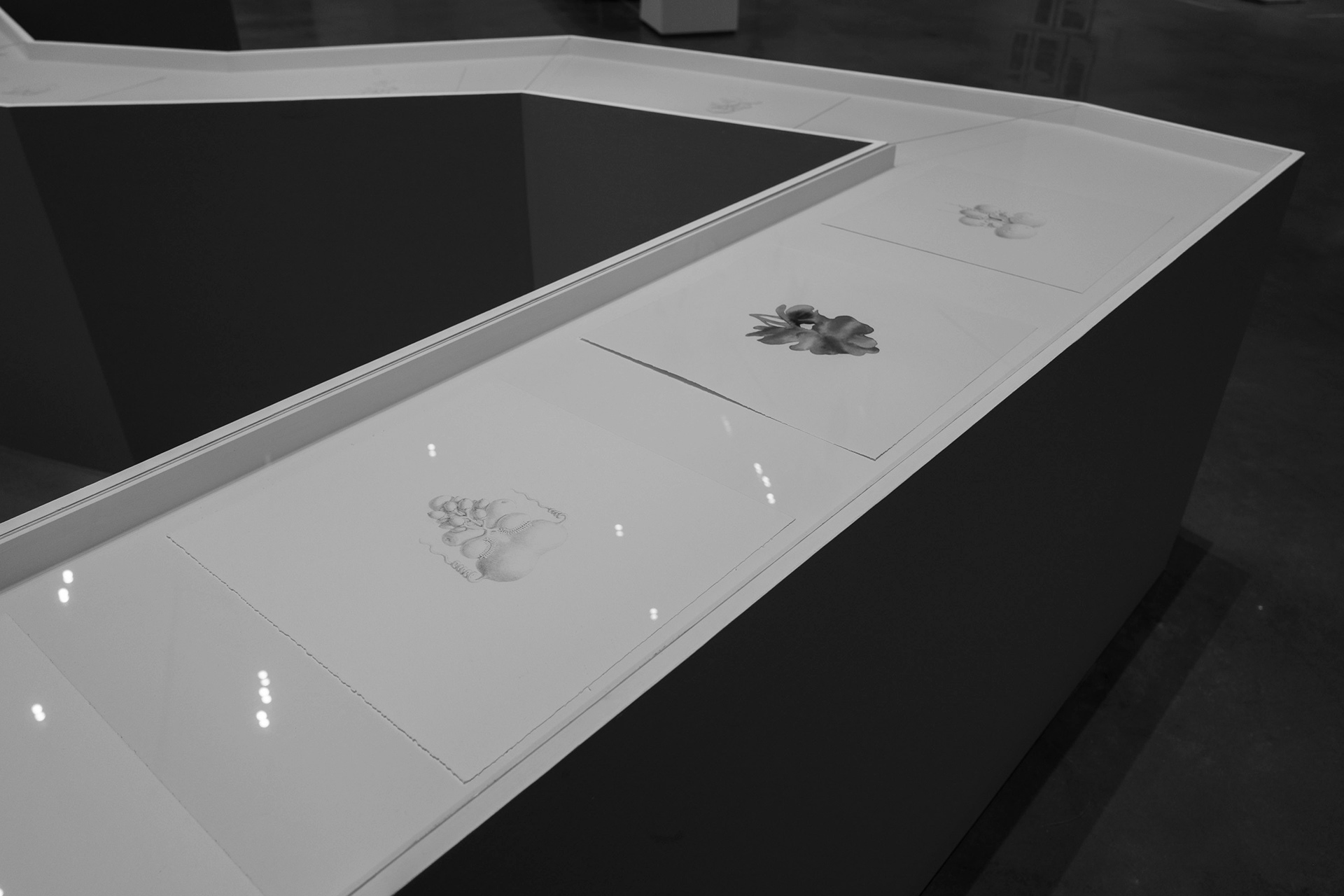
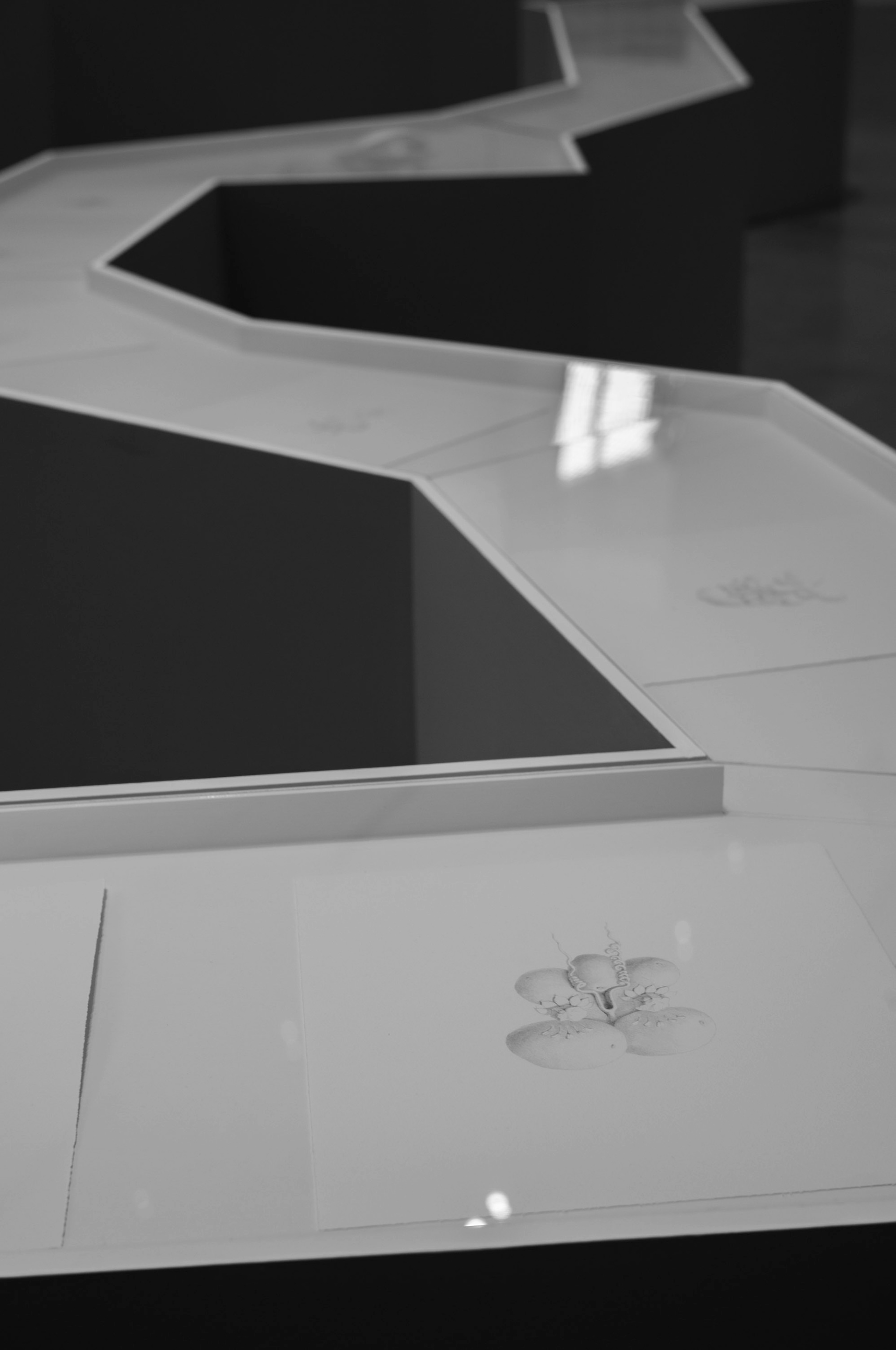
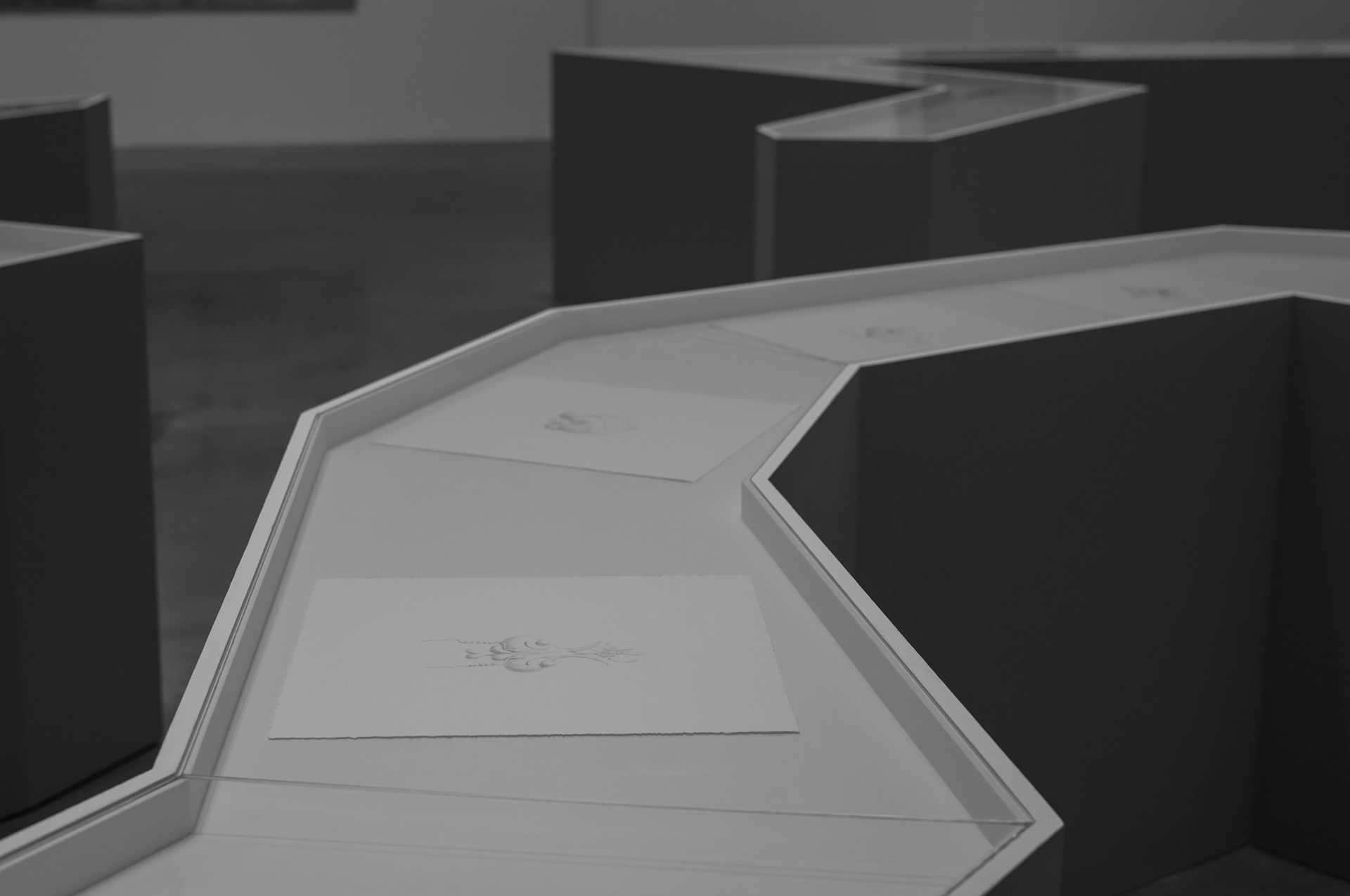
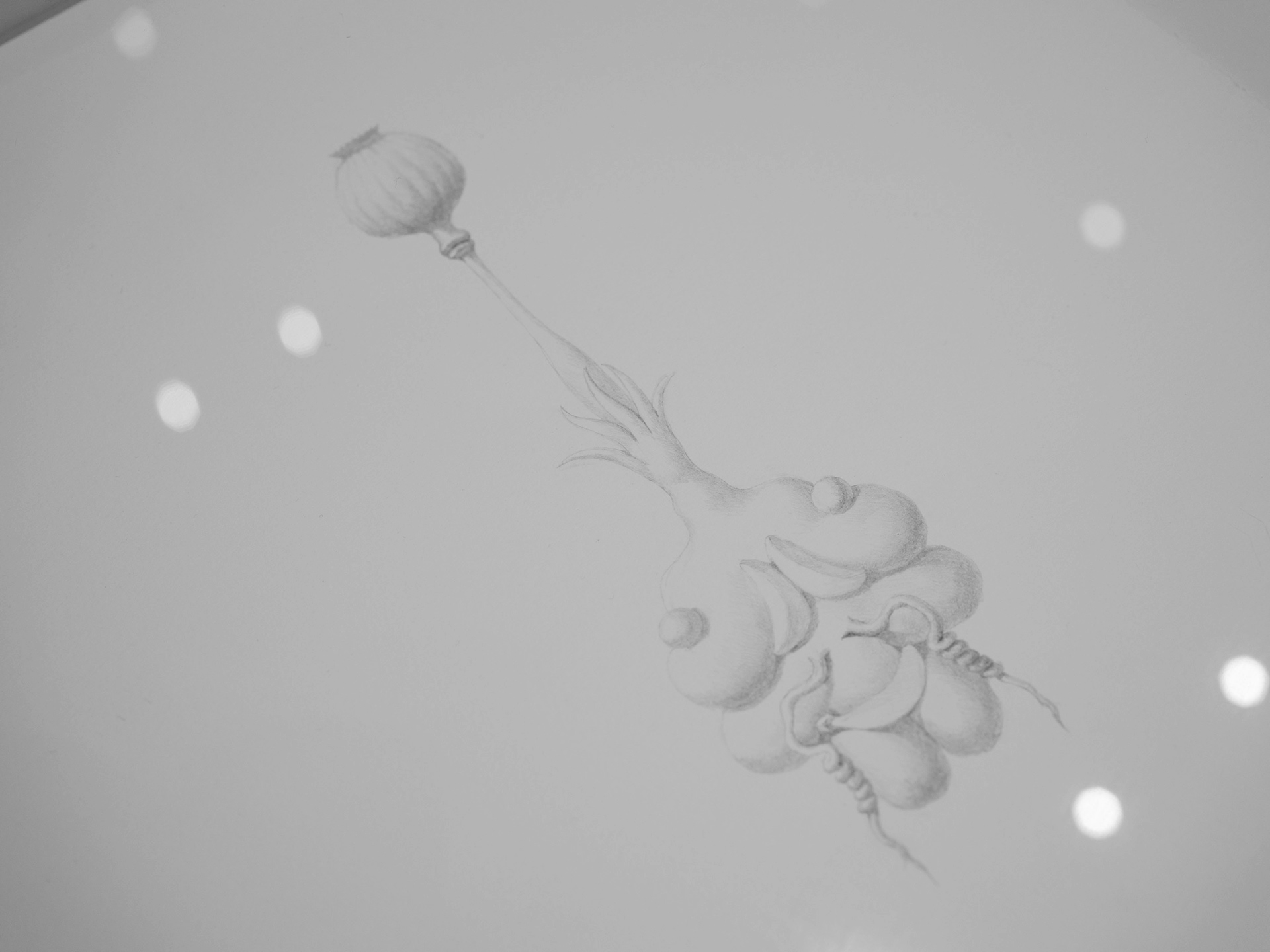
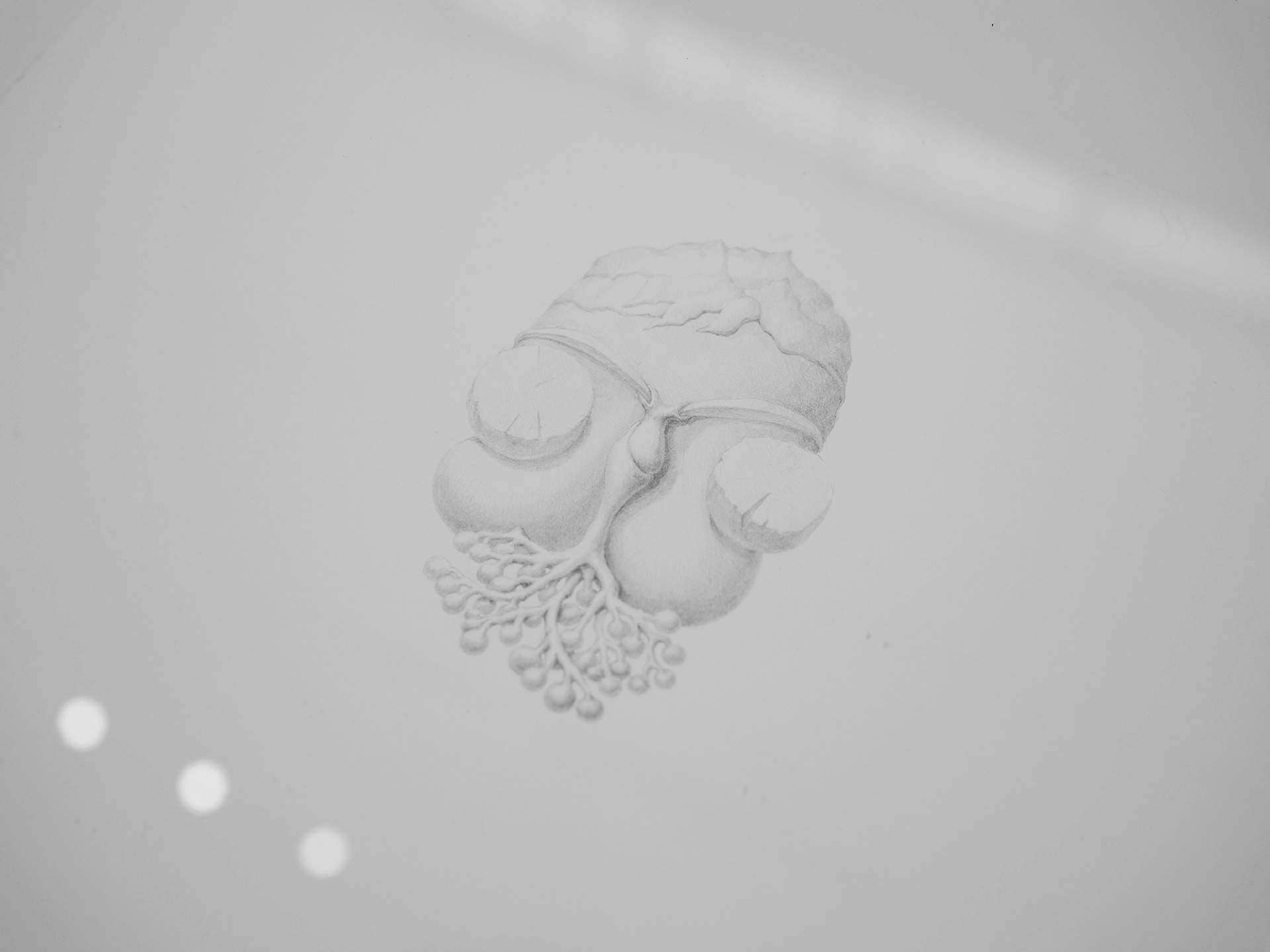
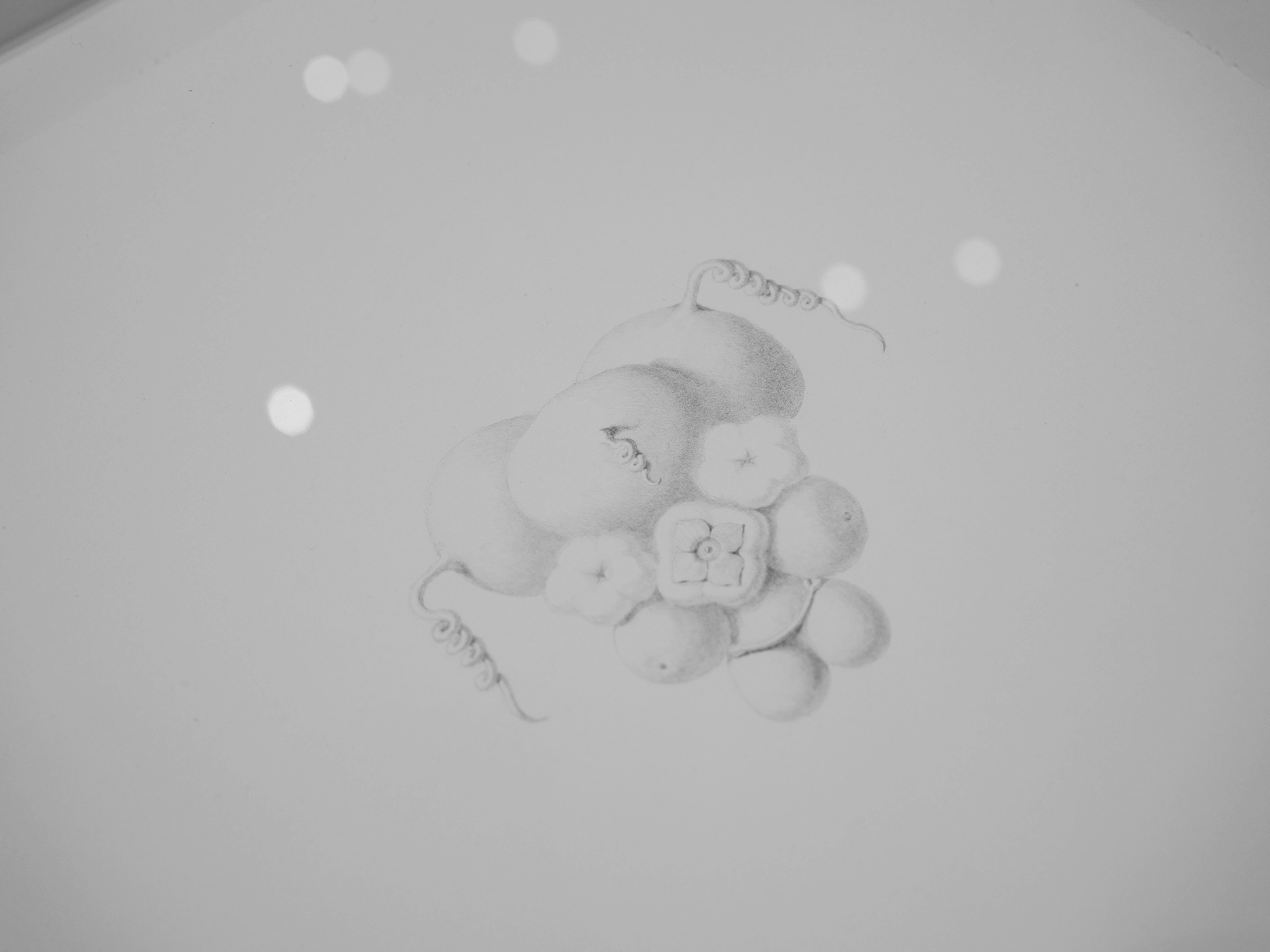
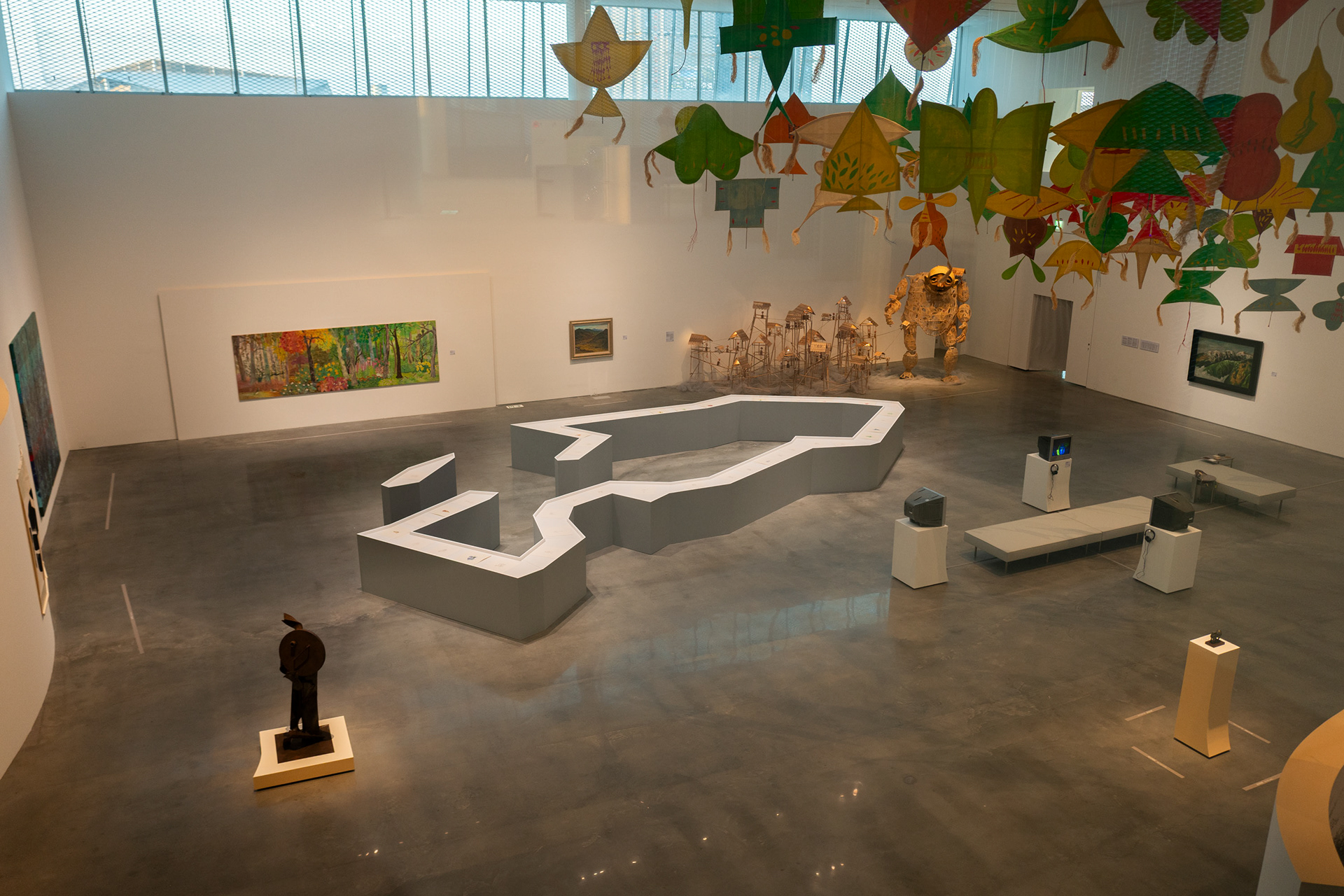
This work establishes a boundary within the museum through the use of a shaped plinth, guiding viewers into a site model scaled down to 87.3% of Parcel 391 in Heping District, Taichung City. Positioned within this miniature environment, viewers look outward from the interior of the bunker.
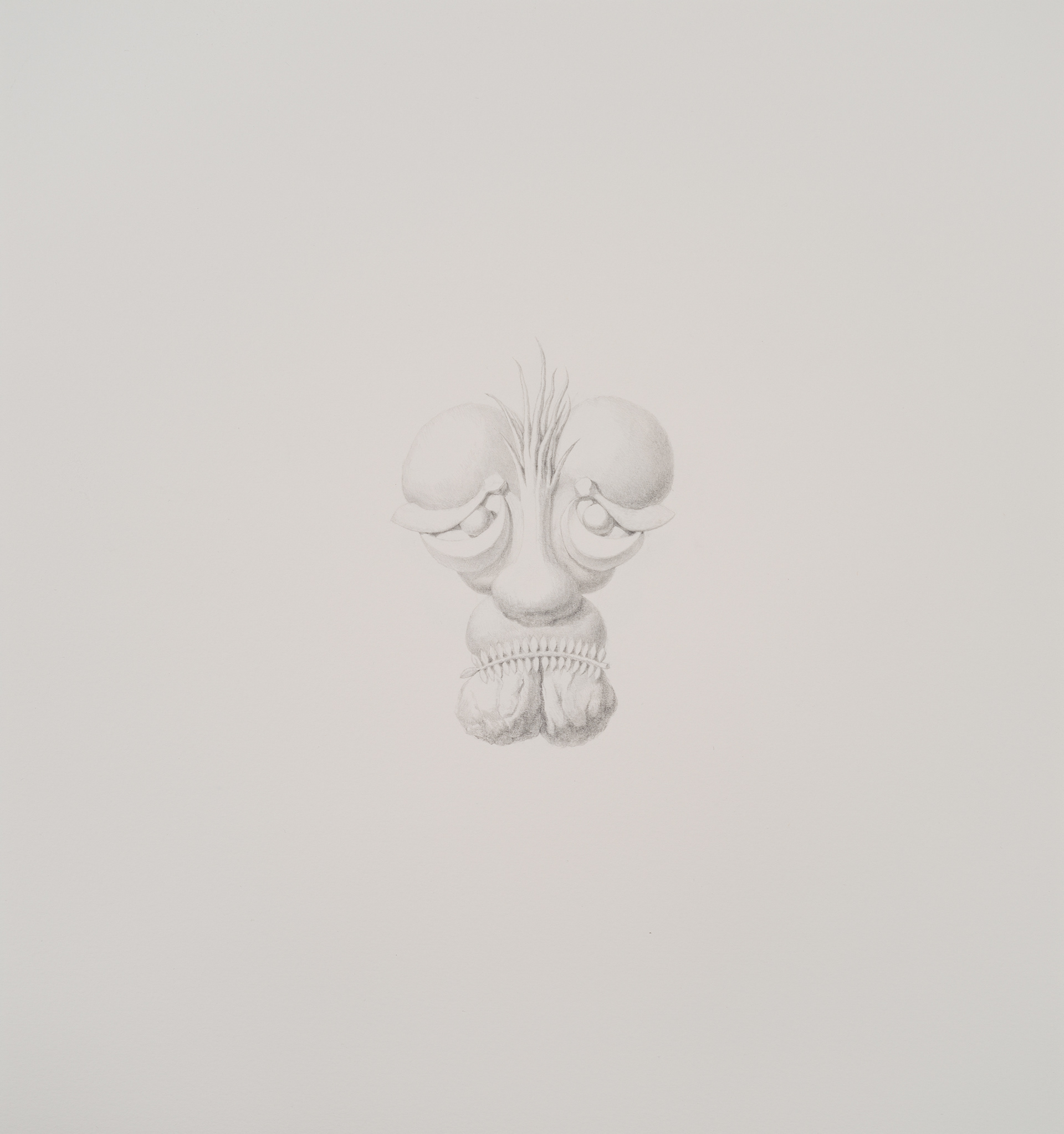
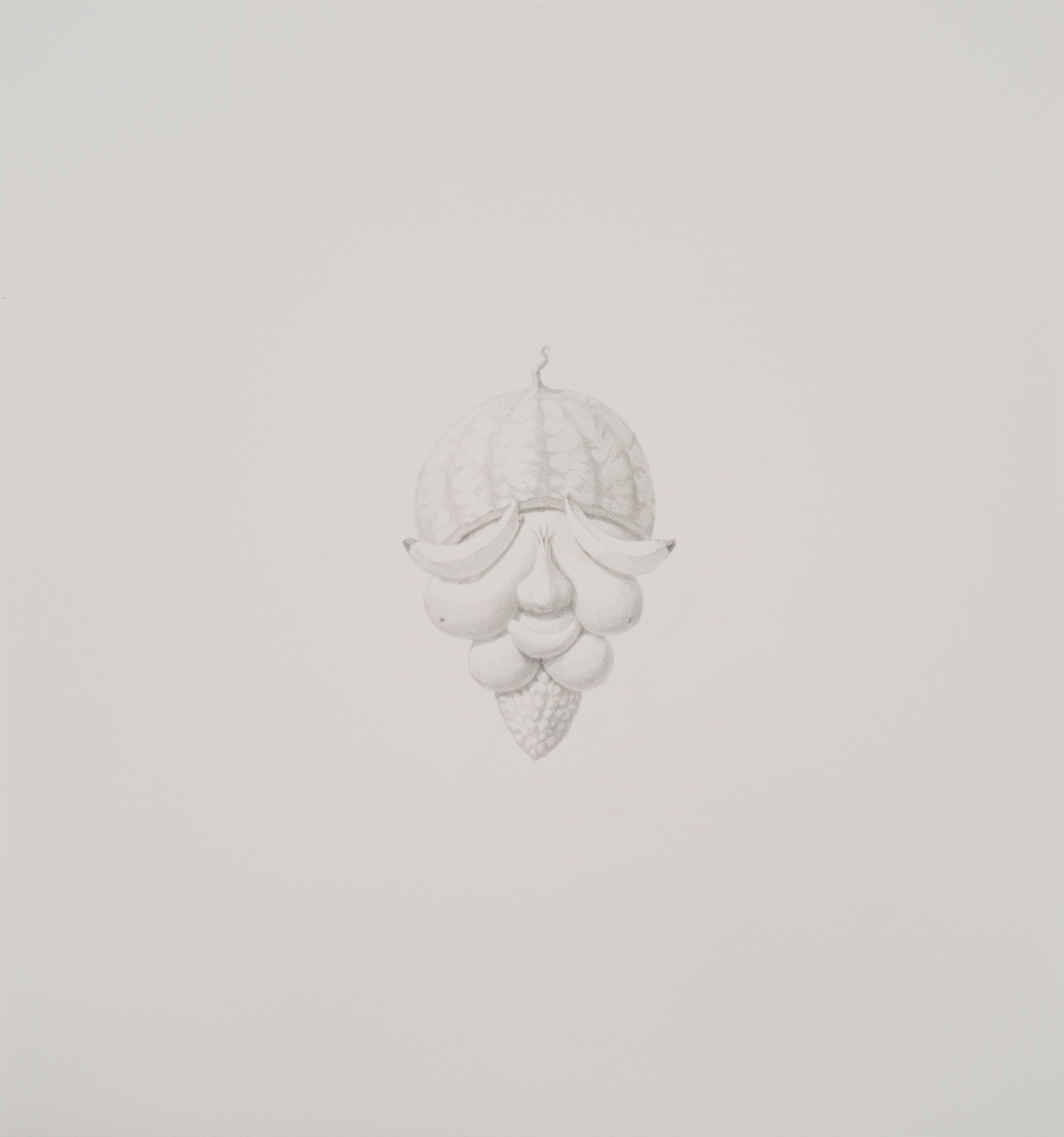
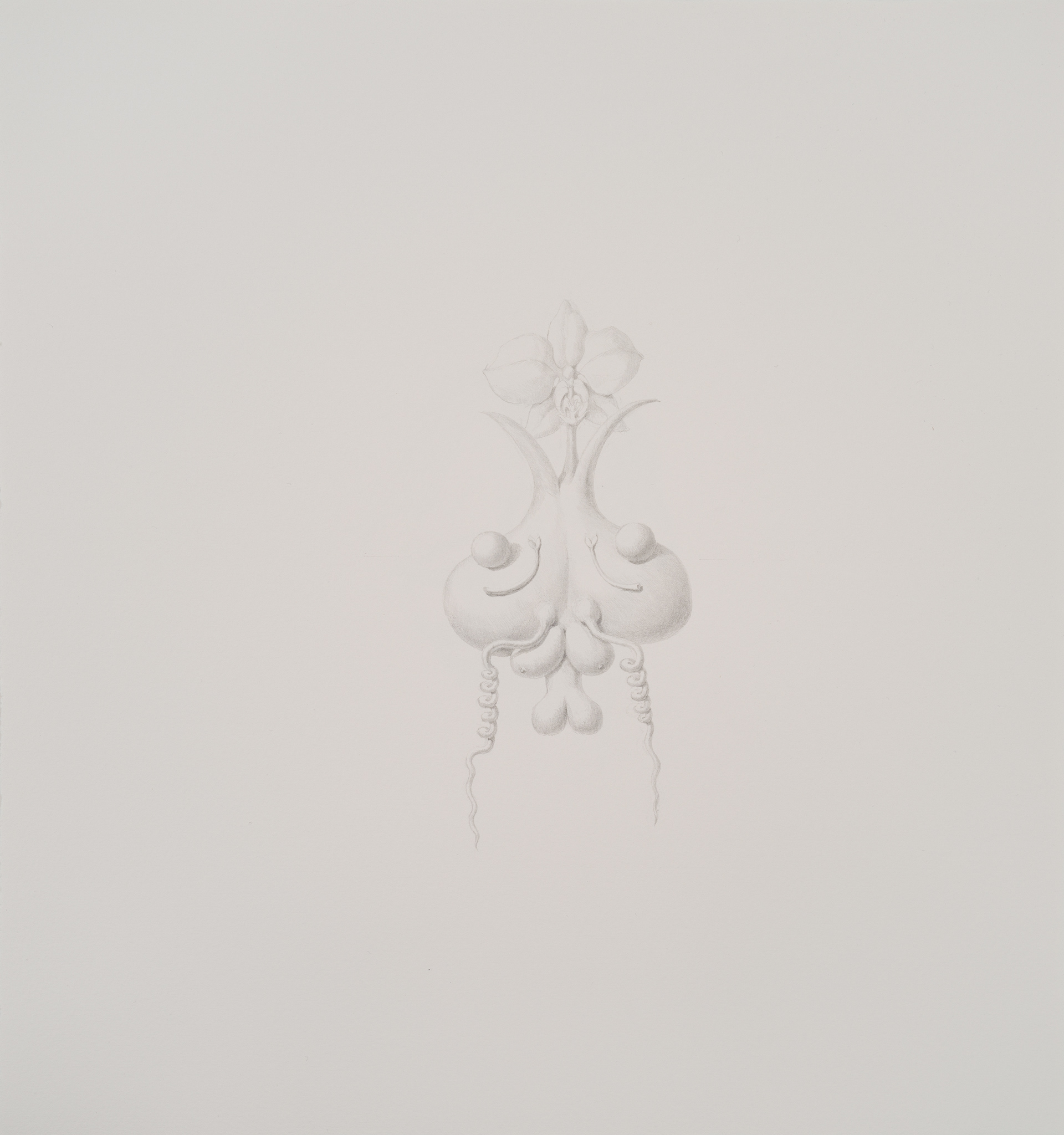
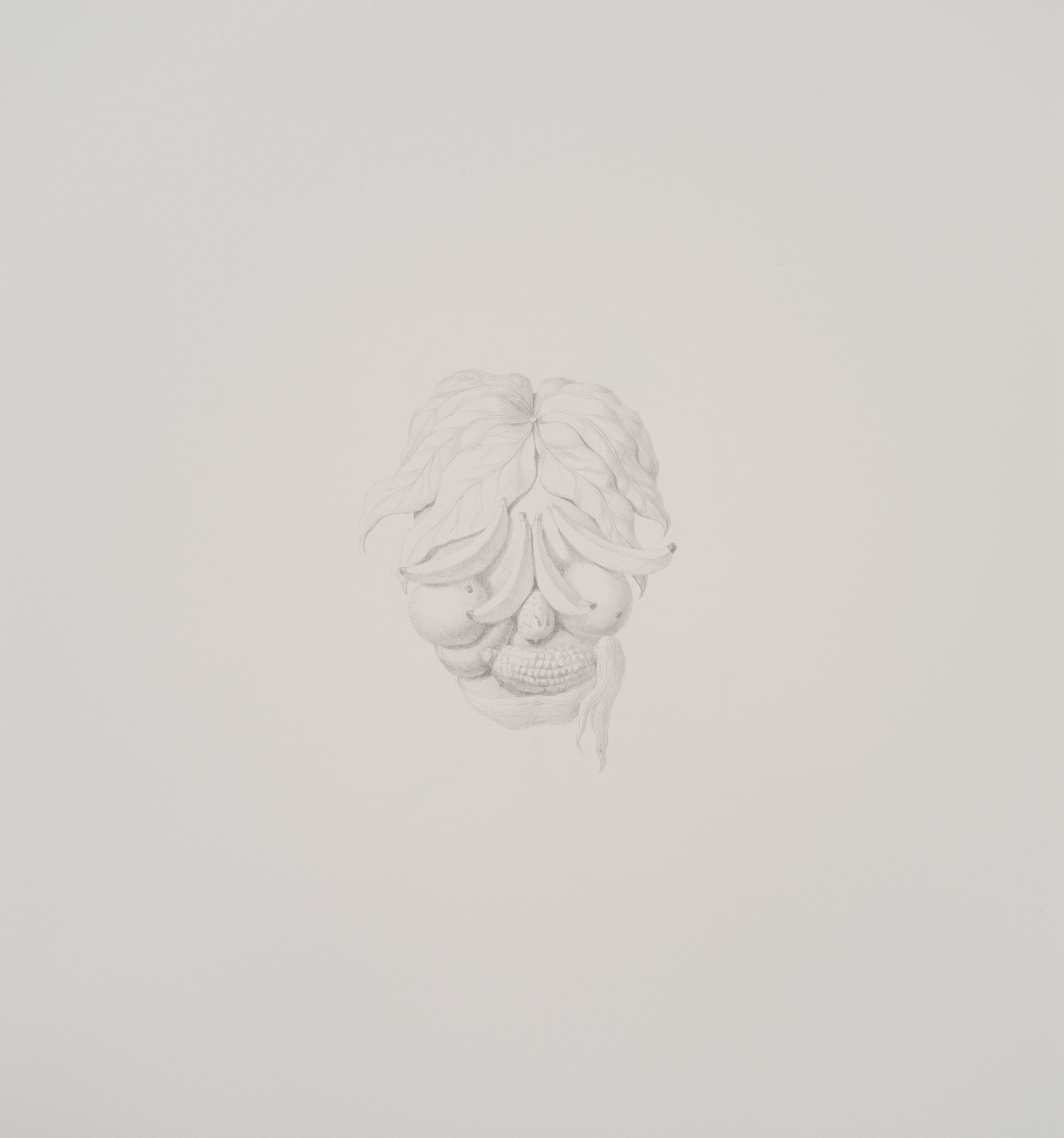
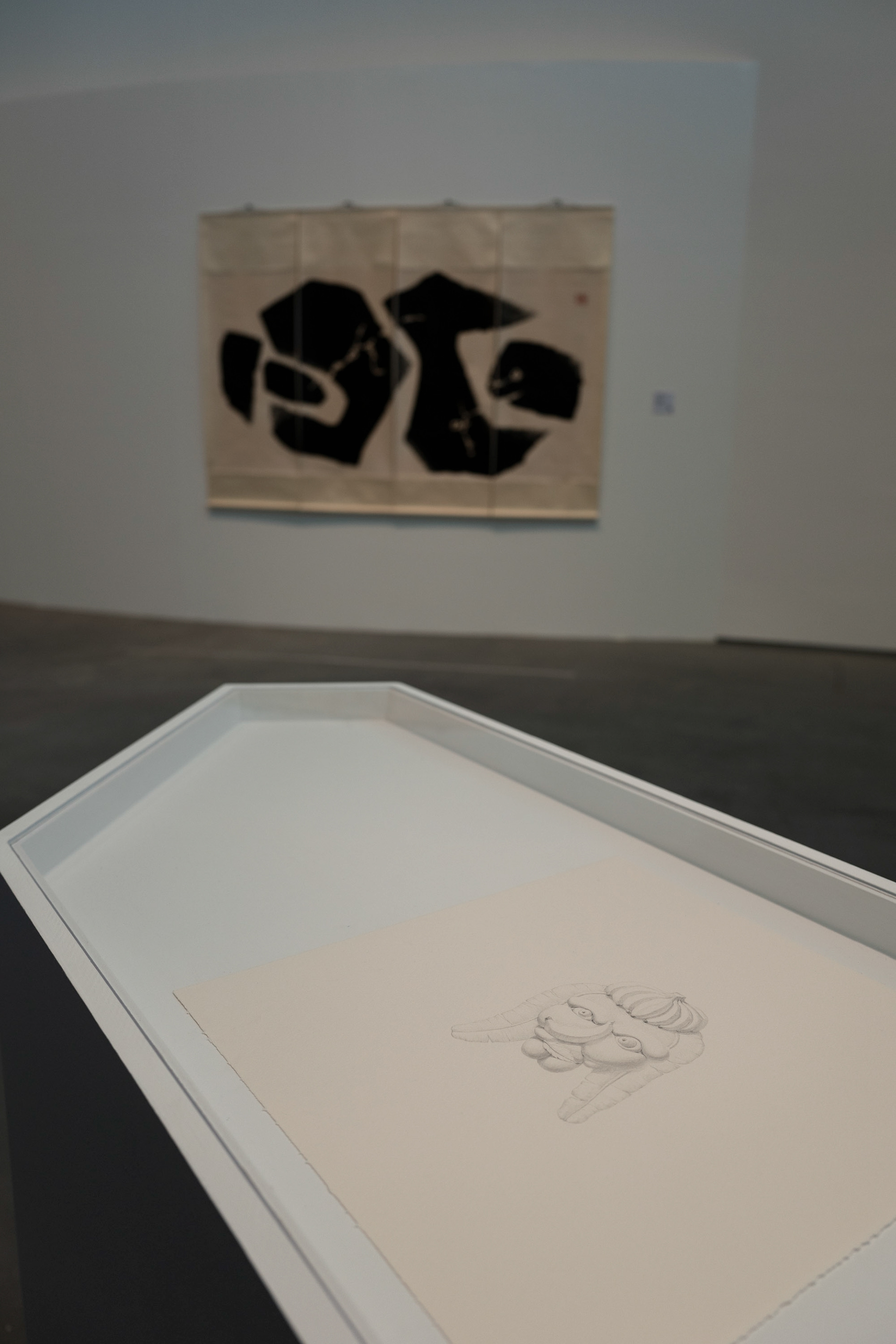
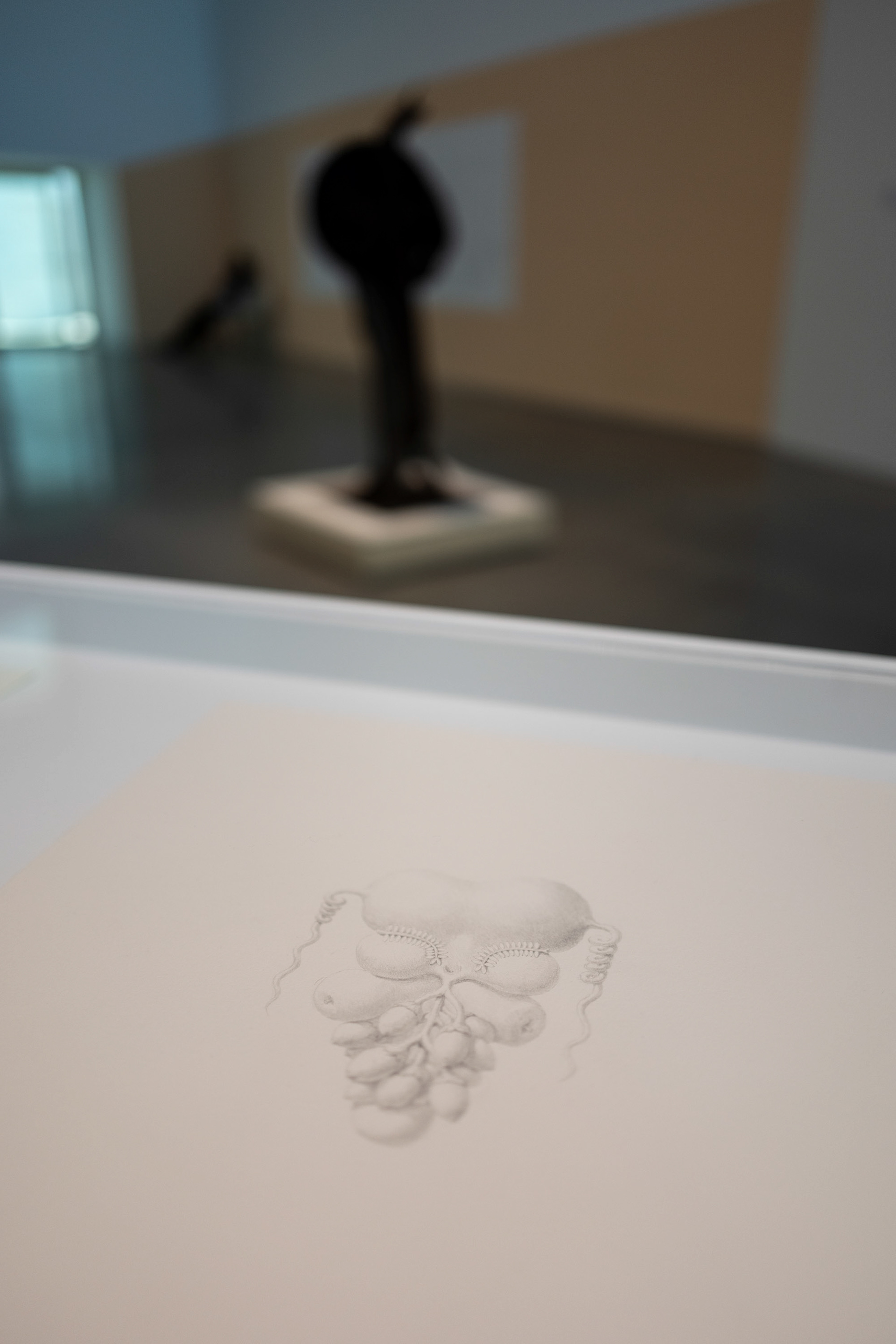
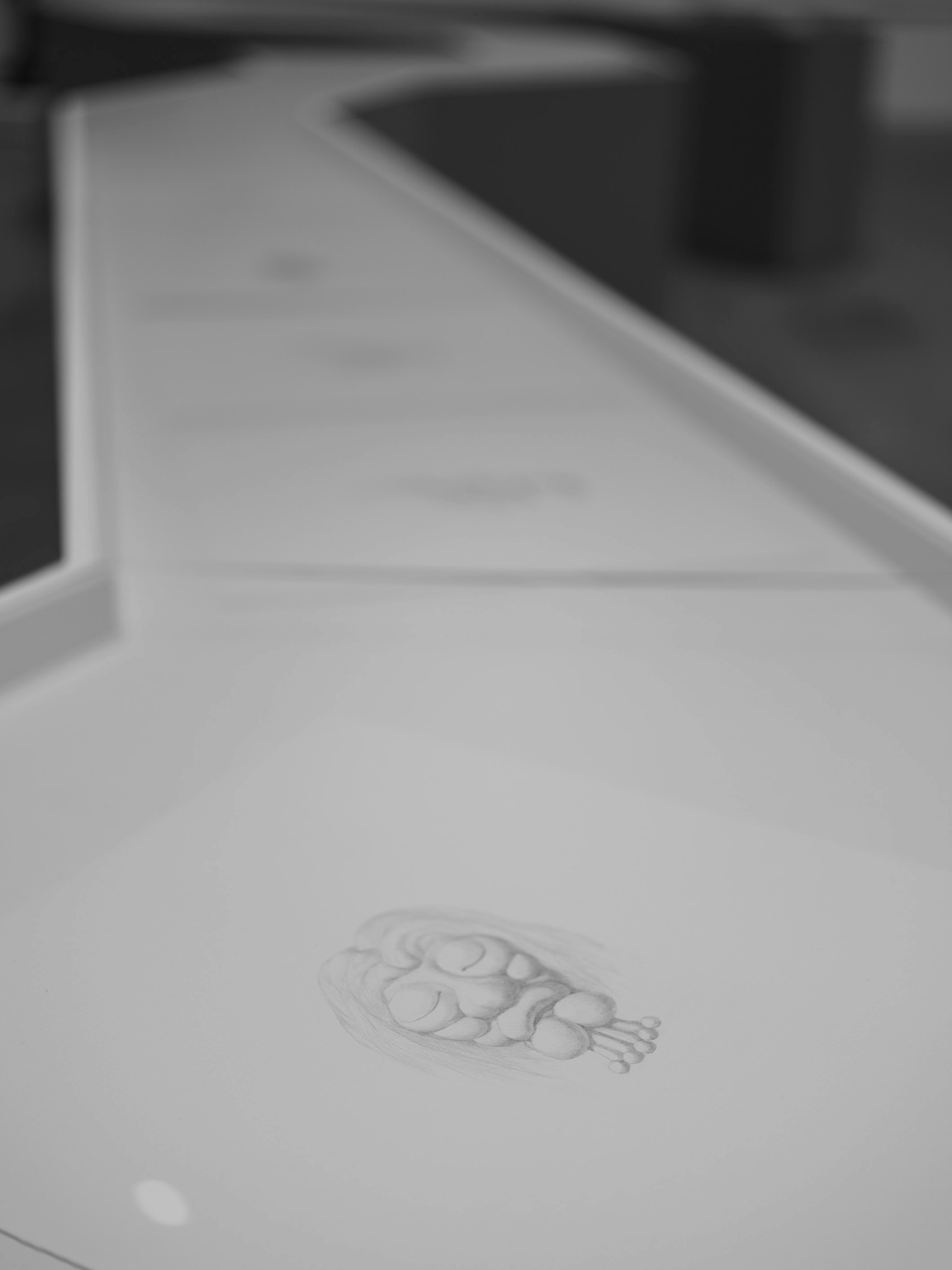
Displayed on the plinth is a series of portrait-like totems assembled from a variety of objects. Among these totems, some constituent elements are clearly identifiable—such as plants, tropical fruits, or insect larvae—while others are more difficult to discern, including feather-like images, spherical beads, egg-shaped objects, or dried fruits.
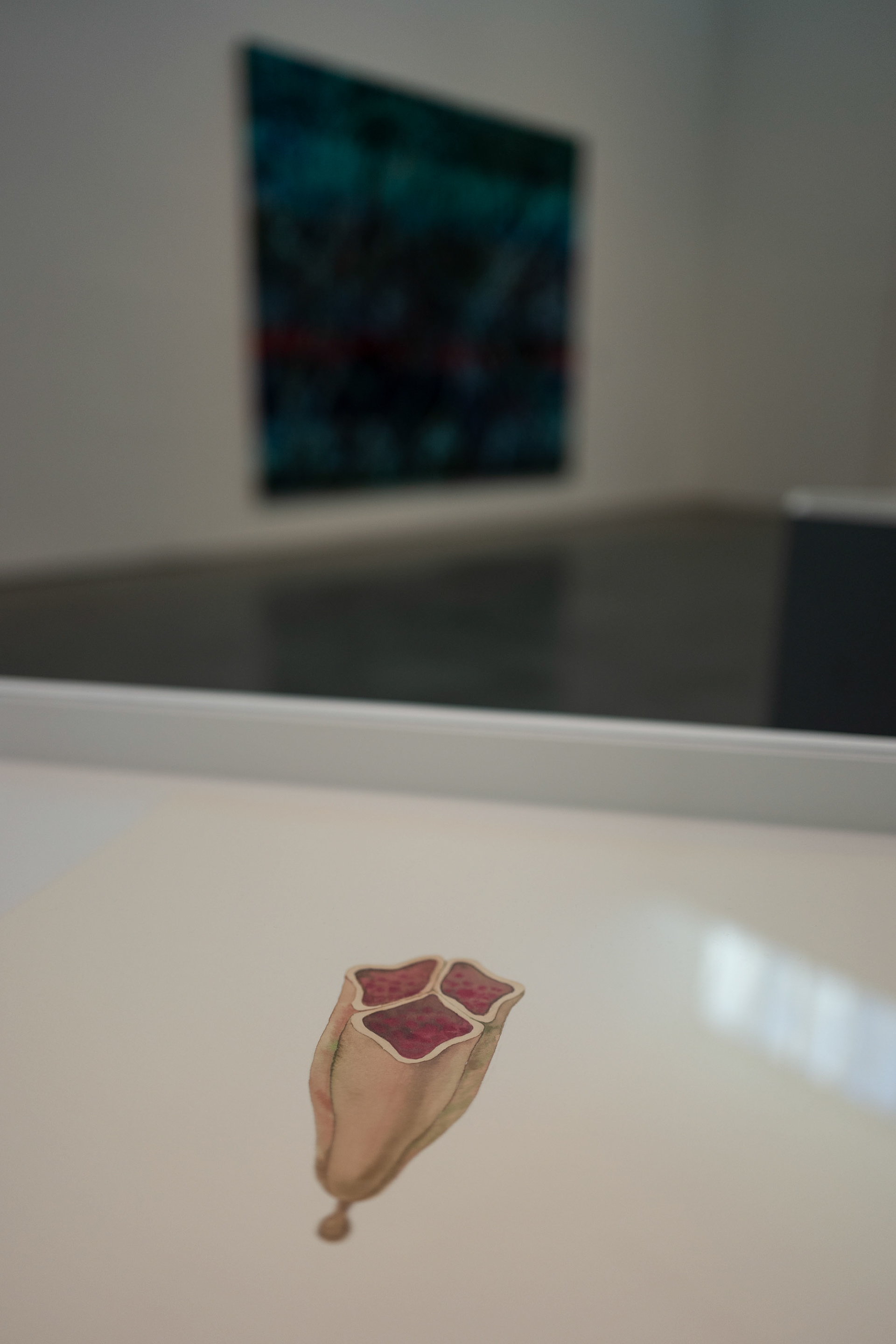
Interspersed among these monochromatic pencil drawings are partial images of plants rendered in colored watercolor. Some resemble anatomical diagrams, while others evoke molecular structure diagrams. What these images share is that all of the plants depicted are toxic and have played multiple roles in human history: some have been used as medicine; some (such as castor bean) were once employed in assassinations; some are sources of narcotics; and others have been developed into analgesics or anti-cancer drugs.
This arrangement allows the artist to juxtapose multiple concepts of "boundaries": one is the territorial boundaries of land demarcated by settlers through monetary exchange, bartering, or land-for-land swaps; another is the epistemological boundaries arising from taxonomy, as seen between species and their images; finally, the artist uses the images of poisonous plants as a metaphor to describe the tensions between individuals resulting from economic, political, and consanguineous factors.
此作品在美術館內,利用一座造形展示台劃定界線,引導觀者走入臺中市和平區 391 地號按比例縮小 87.3% 的場域模型。觀者置身於這個微縮空間之中,並從這座碉堡的內部向外觀看。
基座上陳列著一系列如肖像般的圖騰,它們由各種不同物件組合而成。在這些圖騰之中,有些構成元素清楚可辨,例如植物、熱帶水果或昆蟲幼蟲;另一些則較難辨識,如羽毛類的圖像、球狀珠飾、卵形物件或乾果。
這些單色的鉛筆素描之間,交錯擺放著以彩色水彩繪製的植物局部圖像。其中有些看似解剖學圖譜,有的是分子結構圖。這些圖像的共同特徵在於:它們皆具毒性,並在歷史上於人類社會中扮演過多重角色,有些被用作藥物,有些(如蓖麻)曾被用於暗殺,有些是麻醉性藥物的來源,另一些則被發展為止痛藥或抗癌藥物。
透過這樣的編排,藝術家並置了多重「界線」的概念:一種是以金錢、以物易物或以地易地方式,由開墾者所劃定的土地疆界;另一種則體現於物種與圖像之間,因分類學而產生的知識界線;最後,藝術家以那些有毒植物的圖像作為隱喻,描述了個體之間因為經濟、政治與血緣因素所產生的緊張關係。